Corlears Hook Park: A Riverside Gem with History, Culture, and Urban Calm
New York City is full of iconic green spaces — Central Park, Prospect Park, Bryant Park — yet tucked away at the eastern edge of Manhattan lies a quieter, lesser-known treasure that’s every bit as rich in history and local character: Corlears Hook Park. Overlooking the East River and connecting the Lower East Side to the waterfront, this park has stood as both a witness and participant in the evolution of New York City itself.
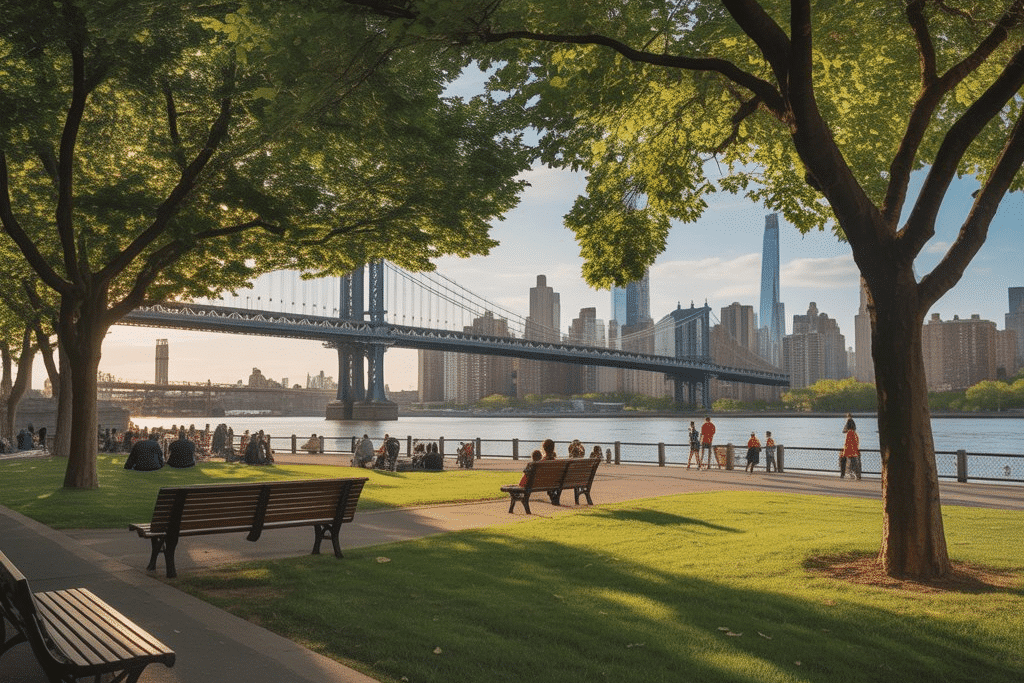
While it may not have the fame of its larger counterparts, Corlears Hook Park offers something unique — a blend of maritime heritage, immigrant culture, urban renewal, and modern community spirit. Whether you’re a history buff, a photography enthusiast, or simply seeking a peaceful patch of green by the water, Corlears Hook Park is an unexpected discovery waiting to be explored.
1. A Glimpse into the Past
To truly appreciate Corlears Hook Park, it’s worth stepping back into the early history of New York City. The name “Corlears Hook” comes from Jacobus Van Corlaer, a 17th-century Dutch settler whose family owned land along this bend of the East River. In the Dutch colonial period, “hook” meant “point” or “corner,” and thus “Corlears Hook” referred to the distinctive curve of the riverbank.
During the 18th and 19th centuries, this part of Manhattan became a bustling maritime hub. Shipyards, docks, and warehouses lined the waterfront. The area was a magnet for working-class immigrants, particularly Irish, German, and later Eastern European and Italian families, who helped shape the Lower East Side’s famously diverse identity.
By the early 1800s, Corlears Hook had earned a rough reputation. It was a center for shipbuilding but also a haven for sailors’ taverns and brothels. The term “hooker,” in fact, is believed by some historians to have originated from this very area — from the women who frequented the docks to find clients among the sailors who came ashore.
But as the city evolved, so did Corlears Hook. In 1905, the area was transformed from industrial wasteland into public green space as part of the city’s efforts to provide parks and recreation areas for the crowded Lower East Side. Thus, Corlears Hook Park was officially born.
2. The Park Through the Decades
Corlears Hook Park was among the earliest examples of waterfront reclamation for public use in New York City. Early 20th-century reformers, particularly those in the settlement house movement, viewed parks as essential for improving the lives of working-class families. The park’s creation was not merely about adding beauty to the neighborhood; it was about giving local children a safe place to play and providing fresh air for communities living in tenement buildings.
In the 1930s, the park underwent significant improvements under the leadership of Robert Moses, New York’s powerful Parks Commissioner. Paths were paved, playgrounds were added, and new landscaping brought greenery to a previously industrial riverfront. Moses’ work often reshaped the city — for better or worse — but Corlears Hook benefited from his vision of accessible recreation.
The construction of the FDR Drive in the mid-20th century, however, dramatically changed the park’s relationship to the water. The elevated highway separated the neighborhood from its riverfront, casting shadows and creating noise that diminished the tranquility of the space. Still, locals continued to visit, using the ball fields, playgrounds, and open lawns as an escape from the dense city blocks beyond.
3. Corlears Hook Park in the Modern Era
Today, Corlears Hook Park is a rejuvenated and much-loved part of the Lower East Side. The city’s East Side Coastal Resiliency (ESCR) project, launched in the late 2010s, has brought renewed attention — and investment — to this waterfront stretch. This ambitious initiative aims to protect lower Manhattan from flooding caused by storm surges and rising sea levels, particularly after the devastating effects of Hurricane Sandy in 2012.
Corlears Hook Park has been one of the focal points of this transformation. The reconstruction includes upgraded flood walls, improved drainage systems, and redesigned park areas that blend environmental sustainability with public enjoyment. Once completed, the park will not only serve as a green retreat but also as a frontline defense against climate change impacts on New York’s coastline.
While some construction work and closures have temporarily limited access, the long-term vision is inspiring — a modern, resilient park that will continue to serve its community for decades to come.
4. A Green Escape in the Urban Jungle
Step into Corlears Hook Park today, and you’ll find a surprising mix of tranquility and vitality. The park’s design encourages movement — walking paths meander through the grounds, shaded by mature trees that provide relief during hot summer days. The sound of the city fades, replaced by the hum of the river and the laughter of children playing.
Families gather for picnics on the open lawns. Joggers and cyclists pass through, connecting from the East River Greenway. On weekends, you might see local soccer leagues using the fields or groups practicing tai chi at sunrise. There’s a strong sense of community ownership — this is not a tourist-heavy park, but one that truly belongs to the people who live nearby.
In spring, cherry blossoms and tulips brighten the pathways, while autumn transforms the trees into shades of gold and crimson. Photographers find endless inspiration in the contrast between the greenery and the towering skyline beyond.
5. The East River Connection
Corlears Hook Park’s greatest charm is its proximity to the East River. While the FDR Drive still separates most of the park from the direct waterfront, recent redevelopment has improved pedestrian access through underpasses and ramps, leading to the Corlears Hook Ferry Landing.
This modern ferry stop connects the Lower East Side to other parts of the city, including Wall Street, Brooklyn, and Queens — a scenic, stress-free alternative to the subway. From the waterfront, you can enjoy panoramic views of the Williamsburg Bridge, Brooklyn’s waterfront, and the constant flow of boats moving along the river.
During sunrise, the river shimmers in pale gold, and in the evening, the skyline glows with reflections of the city lights. It’s a photographer’s paradise and a reminder of how close — yet far — nature can feel within New York City.
6. A Community’s Heartbeat
Corlears Hook Park is more than just a physical space; it’s a social hub for the Lower East Side community. Over the years, countless neighborhood events have taken place here — from outdoor movie nights and cultural festivals to volunteer cleanups and fitness programs.
Local schools often use the park for sports days, and nonprofit organizations host wellness activities like yoga or meditation sessions. During summer, the park’s playgrounds come alive with energy as children race across climbing structures and swings.
What makes Corlears Hook Park special is its inclusivity. It reflects the cultural mosaic of the Lower East Side — a neighborhood historically defined by waves of immigrants from all over the world. Walking through the park, you’ll hear multiple languages, see diverse faces, and feel the warmth of a community that has always embraced change while holding onto its roots.
7. Architecture and Art
Though modest in size, Corlears Hook Park features several architectural and artistic highlights worth exploring. The park’s entrances are framed by wrought-iron gates with classic early 20th-century design motifs, and its benches and lamp posts retain a nostalgic charm.
In recent years, local artists have contributed to the park’s revitalization by organizing temporary installations and mural projects nearby. These artworks celebrate the history of the Lower East Side and its enduring spirit of creativity. The park also serves as an extension of the area’s broader cultural landscape — with the Tenement Museum, Essex Market, and numerous galleries all within walking distance.
8. Nature and Wildlife Along the River
Despite being surrounded by concrete and steel, Corlears Hook Park offers glimpses of urban nature. Birdwatchers often spot species like robins, sparrows, and even hawks gliding above the river. Squirrels are a constant presence, darting between trees and scavenging near picnic areas.
The park’s recent ecological upgrades include native plantings designed to attract pollinators like bees and butterflies. In spring and summer, flower beds buzz with life, adding color and fragrance to the air. The city’s Parks Department has also been working to improve soil health and manage stormwater runoff naturally — making the park not only beautiful but environmentally sustainable.
9. A Photographer’s and Writer’s Muse
For creative souls, Corlears Hook Park offers endless inspiration. The interplay of nature, architecture, and human life creates rich storytelling potential. Early morning light filtering through the trees, the rhythm of joggers passing by, and the skyline rising beyond the river all tell a tale of contrasts — calm and chaos, past and future, decay and renewal.
Writers, painters, and photographers often find themselves drawn here to capture those fleeting moments that define New York’s urban beauty. The park’s serenity makes it an ideal spot for reflection, journaling, or simply observing the flow of life from a quiet bench.
10. Practical Information for Visitors
Corlears Hook Park is located at the intersection of Cherry Street and Jackson Street, near the base of the Williamsburg Bridge. The park is easily accessible by subway — the F, J, M, and Z lines all stop nearby at Delancey Street/Essex Street Station. For those traveling by ferry, the Corlears Hook Ferry Landing connects directly to the East River route.
The park includes:
- Two playgrounds for children
- Basketball and handball courts
- Open lawns suitable for picnics and relaxation
- Access paths to the waterfront
- Nearby bike lanes and walking trails
There are also public restrooms, benches, and shaded areas ideal for reading or simply watching the world go by.
If you’re planning to spend an afternoon here, consider bringing a picnic or a good book — or better yet, make it part of a day-long exploration of the Lower East Side. After your visit, you might want to grab a bite at one of the local eateries nearby, such as Wa Lung Kitchen, known for its flavorful Chinese dishes and warm, family-style atmosphere. It’s the perfect culinary complement to a leisurely day by the river.
11. The Future of Corlears Hook Park
Looking ahead, Corlears Hook Park stands at the intersection of history and innovation. The ongoing East Side Coastal Resiliency project is set to redefine not only the park but the entire riverfront experience for Lower Manhattan residents. The plan includes new green infrastructure, expanded walkways, flood barriers that double as seating areas, and spaces for outdoor art and education.
In essence, the park is evolving into a model for 21st-century urban design — one that balances community needs with environmental realities. When completed, it will serve as both a beautiful public space and a vital line of defense for the neighborhood.
This transformation also signals a broader cultural shift: a city once dominated by highways and industry is now reclaiming its relationship with nature. Corlears Hook Park represents this movement — the rediscovery of the waterfront as a place not just for commerce, but for connection, reflection, and resilience.
12. Why Corlears Hook Park Matters
In a metropolis as fast-paced and densely packed as New York City, parks like Corlears Hook are more than just green spaces — they’re emotional anchors. They remind us that beneath the layers of development and history lies something simple yet profound: the human need for nature, community, and balance.
For longtime residents of the Lower East Side, the park carries personal memories — childhood games, family picnics, quiet walks at sunset. For newcomers, it offers an introduction to the neighborhood’s rhythm and charm. And for visitors, it’s a reminder that beauty in New York isn’t confined to its famous landmarks; it also lives in the overlooked corners, by the water’s edge, where the city breathes.
13. Visiting Tips
If you’re planning a visit to Corlears Hook Park, here are a few tips to make the most of your time:
- Go early or late — Sunrise and sunset are magical here, especially with the East River reflecting the changing light.
- Bring your camera — The mix of old bridges, modern architecture, and river views makes it a dream for photographers.
- Explore nearby — The Lower East Side has much to offer: art galleries, vintage shops, and authentic eateries.
- Stay hydrated and prepared — During summer, the waterfront can get humid. Bring water, sunscreen, and a hat.
- Attend local events — Check community boards or NYC Parks’ website for seasonal happenings like concerts or clean-up days.
14. A Park That Tells New York’s Story
Ultimately, Corlears Hook Park is more than just a piece of land by the river. It tells a story — of immigrants seeking a better life, of urban renewal and resilience, of how nature finds its way even in the heart of concrete. It’s a park that embodies the character of New York itself: tough, diverse, adaptable, and endlessly alive.
When you stand at the park’s edge and look out over the East River, you can almost feel the pulse of centuries — the ships that once docked here, the children who grew up playing in its fields, and the generations still to come who will enjoy this ever-evolving green haven.
So next time you find yourself on the Lower East Side, don’t just pass by. Step inside Corlears Hook Park, breathe in the river breeze, and let the city fade for a while. You’ll leave feeling refreshed — and perhaps a little more connected to the enduring spirit of New York.