National Hot Sauce Day: A Fiery Celebration of Flavor, Culture, and Heat
There are food holidays, and then there are food holidays that bring the heat. National Hot Sauce Day, celebrated every year on January 22, belongs firmly in the latter category. It’s a day for spice lovers, culinary explorers, and anyone who’s ever felt the exhilarating burn of chili peppers dancing across their tongue. Whether you’re the kind of person who casually adds a few drops to your eggs or someone who collects bottles labeled with skulls and warning signs, this day is for you.
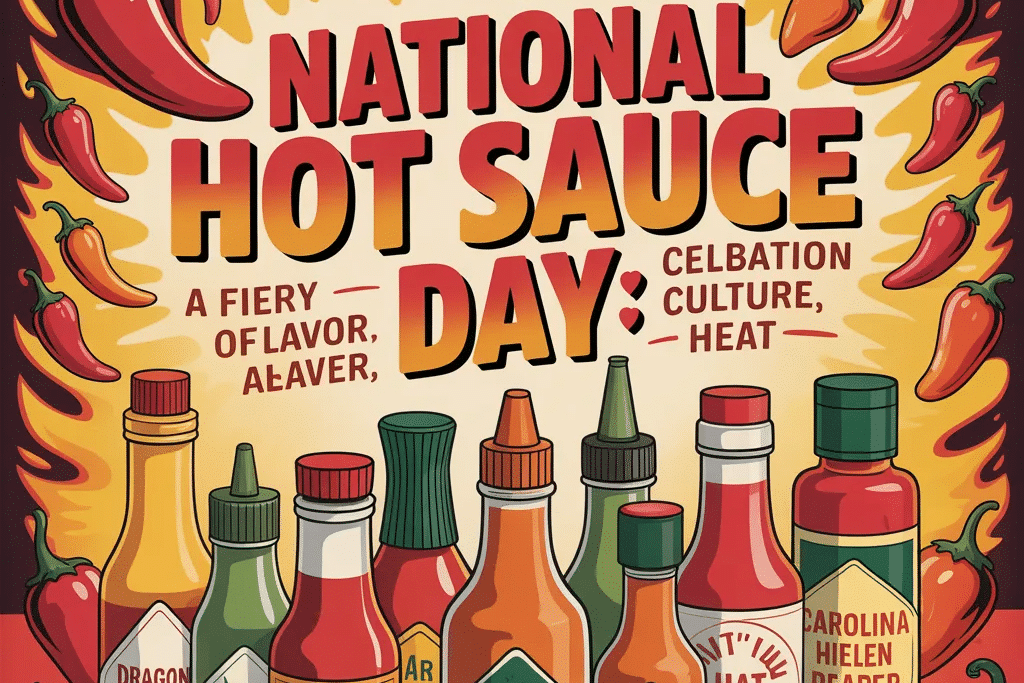
But National Hot Sauce Day is more than just an excuse to drench your meals in fiery goodness. It’s a celebration of history, science, culture, and the global love affair with spice. From ancient civilizations to modern gourmet kitchens, hot sauce has carved out a bold, unforgettable place in human cuisine.
So grab your favorite bottle—maybe even a glass of milk on standby—and let’s dive deep into the world of hot sauce.
The Origins of National Hot Sauce Day
Unlike some holidays rooted in centuries-old traditions, National Hot Sauce Day is a relatively modern creation. Its exact origins are somewhat mysterious—like many quirky food holidays—but it likely emerged from a mix of marketing ingenuity and genuine cultural appreciation.
Hot sauce companies, food bloggers, and spice enthusiasts began promoting the day as a way to celebrate the growing popularity of chili-based condiments. Over time, it caught on, especially in the United States, where hot sauce consumption has skyrocketed over the past few decades.
But while the holiday may be new, the love for hot sauce is ancient.
A Brief History of Hot Sauce
Hot sauce traces its roots back thousands of years. Chili peppers themselves originated in Central and South America, where they were cultivated as early as 7500 BCE. Indigenous civilizations like the Aztecs and Mayans used chili peppers not only for flavor but also for medicinal and ritualistic purposes.
When Christopher Columbus and other explorers brought chili peppers back to Europe in the 15th and 16th centuries, they spread rapidly across the globe. From there, different cultures began incorporating them into their cuisines, giving rise to the diverse array of hot sauces we enjoy today.
The modern bottled hot sauce industry began in the 19th century. One of the earliest commercially available hot sauces in the United States was created in Louisiana, laying the groundwork for iconic brands that would follow.
Why We Love the Burn: The Science Behind Spicy Food
Let’s talk about what actually happens when you eat something spicy.
The magic ingredient in hot sauce is capsaicin, a chemical compound found in chili peppers. Capsaicin binds to receptors in your mouth called TRPV1 receptors—the same ones that detect heat and pain. In other words, your brain thinks your mouth is literally on fire.
But here’s the twist: your body responds by releasing endorphins—the same “feel-good” chemicals triggered by exercise or laughter. That’s why eating spicy food can feel oddly addictive. You’re experiencing a controlled form of pain that leads to pleasure.
This phenomenon explains why some people actively seek out hotter and hotter sauces. It’s not just about taste—it’s about the experience.
Measuring the Heat: The Scoville Scale
If you’ve ever seen numbers on a hot sauce label, you’ve likely encountered the Scoville Heat Unit (SHU) scale. Developed in 1912 by pharmacist Wilbur Scoville, this system measures the concentration of capsaicin in peppers and sauces.
- Bell peppers: 0 SHU
- Jalapeños: 2,500–8,000 SHU
- Habaneros: 100,000–350,000 SHU
- Carolina Reaper: Over 2 million SHU
Hot sauces can range anywhere from mild to “handle with caution.” For many enthusiasts, chasing higher SHU levels becomes a badge of honor.
The Global Landscape of Hot Sauce
One of the most exciting aspects of hot sauce is how it reflects cultural identity. Nearly every region of the world has its own take on spicy condiments.
Latin America
In Mexico, salsa is an essential part of daily meals. From smoky chipotle blends to tangy verde sauces, Mexican hot sauces balance heat with freshness and acidity.
Caribbean
Caribbean hot sauces often feature Scotch bonnet peppers, combined with tropical ingredients like mango, papaya, or vinegar. The result is bold, fruity heat with a punch.
Asia
Asian hot sauces are incredibly diverse. Think of Thailand’s sweet and garlicky Sriracha, Korea’s fermented gochujang, or China’s chili oils infused with Sichuan peppercorns.
Africa
African hot sauces are vibrant and complex. Peri-peri sauce, popularized in Mozambique and South Africa, blends chili peppers with garlic, citrus, and spices.
United States
In the U.S., regional styles vary widely. Louisiana-style sauces are vinegar-forward, while modern craft sauces experiment with everything from bourbon to blueberries.
How People Celebrate National Hot Sauce Day
There’s no single “correct” way to celebrate this fiery holiday—but there are plenty of delicious ideas.
1. Taste Testing
Gather a variety of hot sauces and host a tasting party. Compare flavors, heat levels, and ingredients. It’s a great way to discover new favorites.
2. Cooking with Heat
Try incorporating hot sauce into recipes you wouldn’t normally spice up—think spicy chocolate desserts, chili-infused pasta, or hot honey glaze.
3. Restaurant Adventures
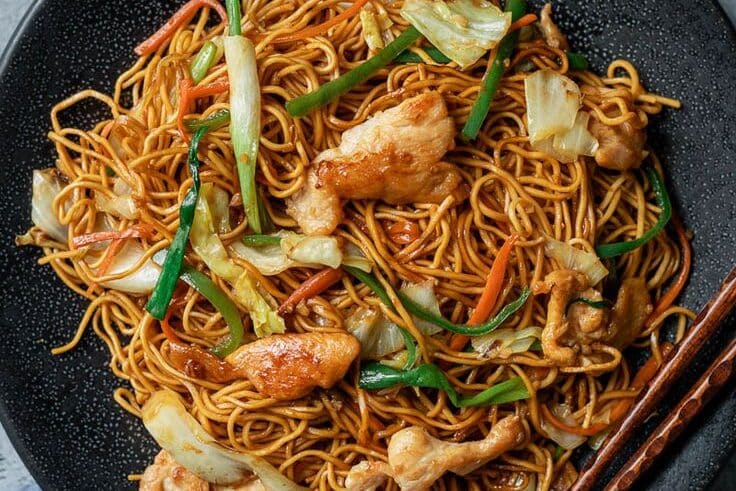
Many restaurants feature special spicy dishes or promotions on National Hot Sauce Day. For example, if you find yourself exploring bold flavors in New York City, spots like Wa Lung Kitchen showcase how heat can be layered into comforting, everyday dishes without overpowering them.
4. DIY Hot Sauce
Making your own hot sauce is surprisingly easy. All you need are chili peppers, vinegar, salt, and a bit of creativity.
5. Social Media Challenges
Spicy food challenges are a staple online. From wing-eating contests to “one chip” challenges, these viral moments bring people together—often with hilarious results.
Popular Types of Hot Sauce
Let’s break down some of the most beloved categories of hot sauce.
Vinegar-Based Sauces
These are tangy, sharp, and often relatively thin. Louisiana-style hot sauces fall into this category and are perfect for adding brightness to dishes.
Fermented Sauces
Fermentation adds depth and complexity. Sauces like Sriracha and gochujang develop rich, umami flavors over time.
Chili Oil
Common in Chinese cuisine, chili oil combines heat with aromatic ingredients like garlic, ginger, and spices.
Fruit-Based Sauces
These sauces balance sweetness with spice. Mango habanero is a classic example.
Extreme Hot Sauces
These are designed for thrill-seekers. Often made with superhot peppers like ghost peppers or Carolina Reapers, they prioritize heat above all else.
The Health Benefits of Capsaicin
Hot sauce isn’t just exciting—it can also be good for you.
Boosts Metabolism
Capsaicin can increase metabolic rate, helping your body burn calories more efficiently.
Pain Relief
Ironically, capsaicin is used in topical creams to relieve pain. It works by desensitizing nerve receptors over time.
Heart Health
Some studies suggest that spicy foods may help reduce blood pressure and improve circulation.
Anti-Inflammatory Properties
Capsaicin has been linked to reduced inflammation, which can benefit overall health.
Mood Enhancement
Remember those endorphins? Spicy food can genuinely improve your mood.
Of course, moderation is key. Overdoing it can lead to digestive discomfort, so know your limits.
Tips for Spice Enthusiasts
If you’re looking to deepen your love for hot sauce, here are some practical tips.
Start Slow
If you’re new to spice, begin with milder sauces and gradually work your way up.
Pair Smartly
Hot sauce isn’t just about heat—it’s about flavor. Match sauces to dishes thoughtfully. A smoky sauce might complement grilled meats, while a citrusy one pairs well with seafood.
Balance the Heat
If something’s too spicy, reach for dairy products like milk or yogurt. They help neutralize capsaicin.
Store Properly
Most hot sauces last a long time, especially if refrigerated. Always check labels for storage recommendations.
Experiment Fearlessly
Don’t be afraid to try unusual combinations. Hot sauce on pizza? Classic. Hot sauce in cocktails? Surprisingly delicious.
The Rise of Craft Hot Sauce Culture
In recent years, hot sauce has undergone a renaissance. Small-batch producers are pushing the boundaries of flavor, using locally sourced ingredients and innovative techniques.
Craft hot sauces often emphasize:
- Unique flavor profiles (think pineapple curry or smoked garlic)
- Artistic packaging
- Sustainable production practices
This movement has turned hot sauce into more than a condiment—it’s now a form of culinary expression.
Hot Sauce as a Cultural Connector
What makes hot sauce truly special is its ability to bring people together. Across cultures, spice plays a role in storytelling, tradition, and identity.
Sharing a spicy meal can be an act of connection. It’s a shared experience that transcends language and geography. Whether you’re eating street food in Bangkok or homemade stew in the Caribbean, that familiar kick of heat creates a sense of unity.
The Psychology of Spice
Why do some people love spicy food while others avoid it?
Part of the answer lies in exposure. People who grow up in cultures with spicy cuisine tend to develop a higher tolerance.
But there’s also a psychological component. Eating spicy food can feel like an adventure—a way to test your limits and experience something intense.
For some, it’s about thrill. For others, it’s about comfort. Either way, spice has a way of leaving a lasting impression.
Fun Facts About Hot Sauce
- The world’s hottest pepper, the Carolina Reaper, was developed in South Carolina.
- Ancient Mayans used chili peppers as a form of currency.
- The phrase “hot stuff” originally referred to spicy food before becoming slang.
- Some hot sauces are aged like fine wine.
Bringing the Heat Home
If National Hot Sauce Day inspires you, why not make it a year-round habit?
Keep a selection of sauces in your kitchen. Try new recipes. Explore different cuisines. Let spice become part of your culinary identity.
You don’t have to be a heat fanatic to appreciate hot sauce. Even a small amount can transform a dish, adding depth, excitement, and personality.
Final Thoughts: Celebrating the Fire
National Hot Sauce Day is more than just a quirky food holiday—it’s a tribute to one of the most dynamic ingredients in the world. From ancient traditions to modern innovations, hot sauce tells a story of creativity, resilience, and bold flavor.
So on January 22, embrace the heat. Try something new. Share a spicy meal with friends. And most importantly, enjoy the journey.
Because in the world of hot sauce, there’s always another level to explore—and it’s always deliciously worth it.