Explore the best traditional Chinese dishes
with our guide to 15 essential Chinese dishes, including Peking Roasted Duck, Kung Pao Chicken, Sweet and Sour Pork, Hot Pot, Dim Sum, and more. Discover the rich flavors and history of authentic Chinese cuisine!”
ORDER NOW!
Given China’s vast expanse, significant regional variations in cuisine arise from factors such as climate, historical influences, local ingredients, and dining traditions.
Based on cooking methods and regional tastes, Chinese cuisine is categorized into eight primary styles: Sichuan, Hunan, Shandong, Zhejiang, Fujian, Anhui, Cantonese, and Jiangsu. Each of these styles boasts its own signature dishes.
- Peking Roasted Duck
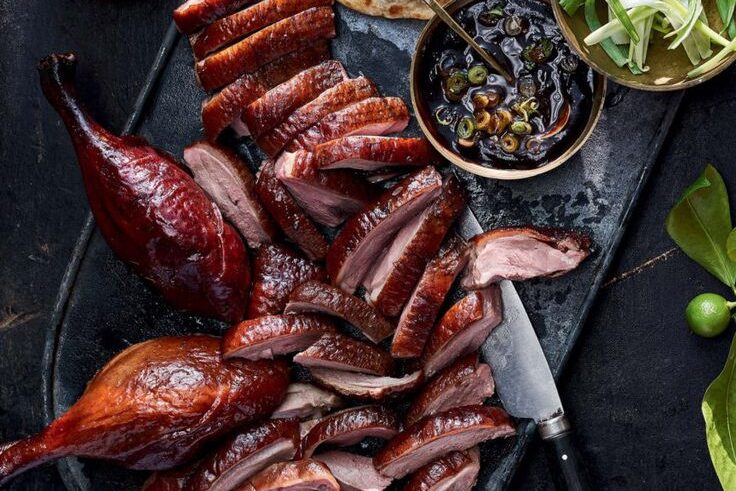
Peking duck, known as 北京烤鸭 (Běijīng kǎoyā), is an iconic dish originating from Beijing, renowned globally and regarded as one of China’s national culinary treasures. This dish is particularly celebrated for its delicate and crispy skin. Typically, sliced Peking duck is enjoyed with pancakes, sweet bean sauce, or soy sauce accompanied by mashed garlic. It is an essential culinary experience for anyone visiting Beijing.
Historically, Peking duck was a royal delicacy during medieval China and has been recognized as “the first dish to taste in China.” Since the 1970s, it has served as a “national dish of diplomacy,” first introduced to foreign dignitaries by Premier Zhou Enlai, the inaugural Premier of the People’s Republic of China. The dish has garnered acclaim from heads of state, government officials, and both domestic and international tourists.
- Kung Pao Chicken
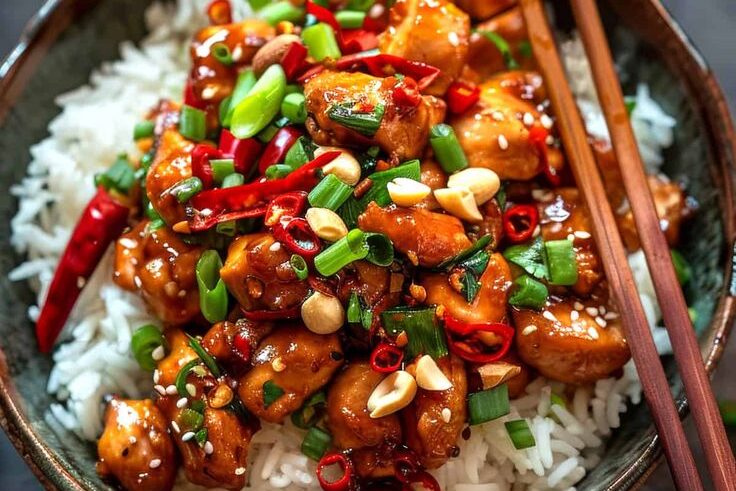
Kung Pao Chicken, or 宫保鸡丁 (gōngbào jīdīng), is a renowned specialty from Sichuan province, favored by both locals and international diners. The primary components include diced chicken, dried chili peppers, cucumber, and either fried peanuts or cashews.
In Western countries, a variation of Kung Pao Chicken has emerged, where the diced chicken is coated in cornstarch, and additional ingredients such as vegetables, sweet and sour sauce, and mashed garlic are incorporated to create a distinct flavor profile.
- Sweet and Sour Pork
Sweet and sour pork (糖醋里脊 tángcù lǐjǐ) is characterized by its vibrant orange-red hue and a delightful balance of sweet and tangy flavors. Initially, the dish was solely prepared with pork; however, in response to evolving culinary preferences, variations have emerged. Today, alternatives such as chicken, beef, or pork ribs can be used in place of pork. - Hot Pot
Hot pot, also known as hotpot (火锅 huǒguō), ranks among the most beloved dishes in China, particularly in Sichuan Province and Chongqing. Diners prepare and enjoy their meals from a bubbling pot of soup stock (broth) placed on a gas or induction stove at the center of the table, surrounded by an array of ingredients and condiments. Individuals can customize their meals by adding and cooking their preferred items in the broth. The quality of a hot pot is primarily determined by the broth, which imparts flavor to the various meats and vegetables.

Hot pot has gained immense popularity among the Chinese populace. While it was traditionally enjoyed during the winter months, it is now a common feature at dining tables throughout the year. This communal dining experience fosters social interaction, as friends and family gather around the pot to enjoy food, conversation, and merriment.
- Dim Sum
Dim sum (点心 diǎnxin) is a quintessential element of Cantonese cuisine, encompassing a wide variety of small dishes, including dumplings, rolls, cakes, and preparations featuring meat, seafood, desserts, and vegetables. Currently, there are over a thousand distinct dim sum dishes available.
The origins of dim sum can be traced back to Guangzhou. The people of Guangdong have a tradition of enjoying tea during breakfast or lunch, often accompanied by dim sum during their tea gatherings. This culinary practice serves as a popular means for friends and family to come together and socialize.
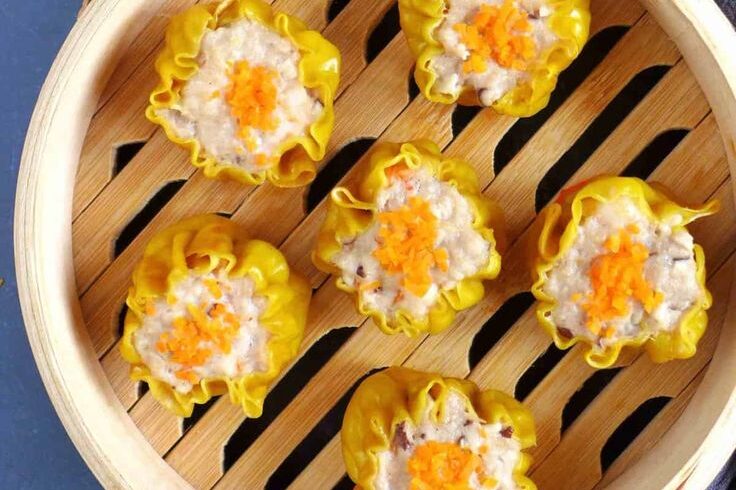
- Dumplings
Dumplings (饺子 jiǎozi) represent a cherished culinary tradition, particularly prevalent in Northern China. These delicacies are crafted from a thin dough that encases a filling of minced meat and/or finely chopped vegetables. Common fillings include minced pork, diced shrimp, ground chicken, beef, and various vegetables. Dumplings can be prepared through boiling, steaming, or frying methods.
Additionally, dumplings hold significant cultural importance as a dish consumed on Chinese New Year’s Eve. Their resemblance to ancient Chinese silver ingots symbolizes wealth, leading to the belief that consuming more dumplings during the New Year festivities will result in greater financial prosperity in the coming year. The process of making dumplings serves as a wonderful opportunity for social interaction among friends and family, with bustling kitchens filled with activity during the New Year celebrations. - Ma Po Tofu
Ma Po tofu (麻婆豆腐 Mápó dòufǔ, meaning ‘Pockmarked Granny beancurd’) is a renowned dish within Sichuan cuisine, boasting a history that spans over a century. This dish features beancurd combined with minced meat (either pork or beef) enveloped in a piquant sauce. The sauce is crafted from fermented black beans and chili paste (douban/douchi).
The creation of Ma Po tofu is attributed to a woman from Chengdu, Sichuan province, known by the surname Chen. Legend has it that her face bore many pockmarks, which inspired the name of the dish. In Chinese, “ma” translates to ‘pockmarked’ and “po” means ‘grandma,’ thus the dish became known as Ma Po tofu. This flavorful and aromatic dish gained immense popularity and was eventually introduced to Japan, where it also found a devoted following.
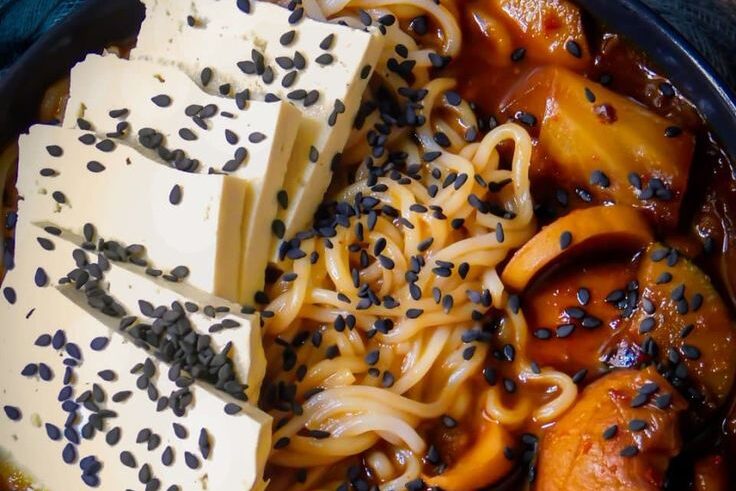
- Char Siu
The term char siu (叉烧 chāshāo) derives from Cantonese, where “char” translates to ‘fork’ and “siu” means ‘to roast’, thus signifying “fork roasted”. This dish is a variety of Cantonese roast pork, typically served alongside rice or noodles. Additionally, it is frequently utilized as a filling for baozi, which are steamed stuffed buns. - Chow Mein
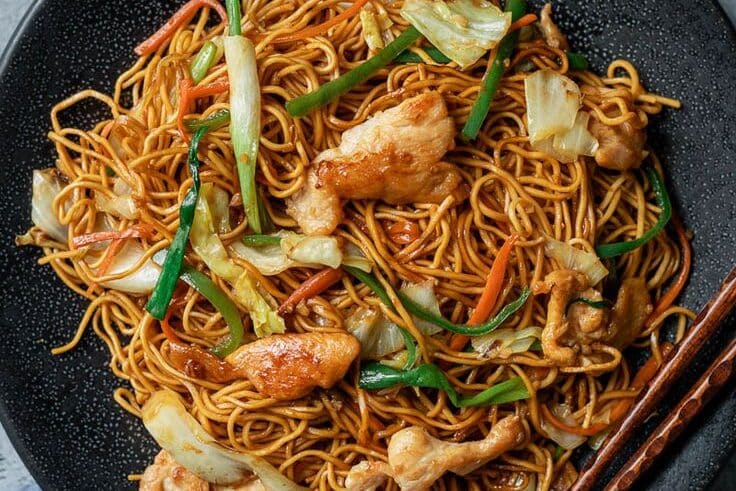
Chow mein represents the Cantonese pronunciation of the Mandarin term chǎomiàn (炒面), meaning ‘stir-fried noodles’. This dish features a combination of noodles, various meats—commonly chicken, beef, shrimp, or pork—along with onions and celery. To prepare chow mein, the noodles must first be boiled until cooked, then cooled before the stir-frying process begins.
An intriguing anecdote surrounds the creation of chow mein, attributed to a woman named Shan Gu from Jiangsu Province. While preparing meals for laborers constructing a dam to mitigate flooding of the Yellow River, she discovered that food spoiled rapidly in the heat. In response, she developed chow mein, a dish that could be stored longer and easily reheated. This innovation popularized the technique of stir-frying noodles. - Fried Rice
Fried rice (炒饭 chǎofàn) is a culinary creation consisting of fried cooked rice combined with various ingredients, which often include eggs, vegetables, seafood, or meat. It ranks among the most prevalent Chinese dishes. Preparing fried rice at home is straightforward, as it can be made using leftover rice along with any remaining meat or vegetables from previous meals.
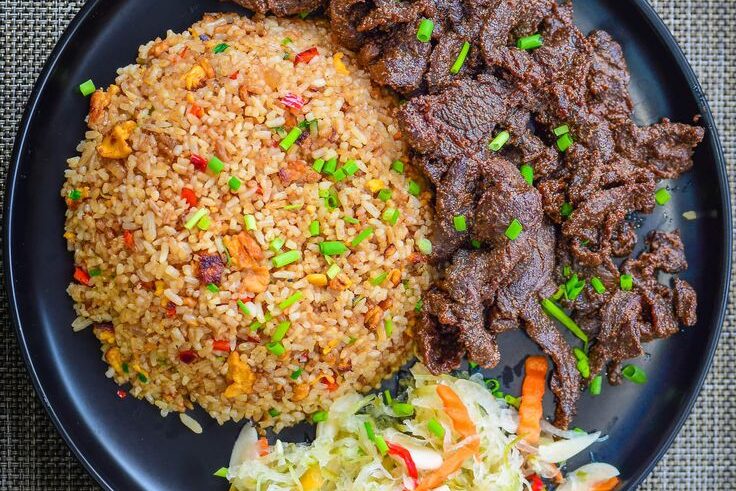
An important diplomatic figure during the late Qing Dynasty (1644–1912), Li Hongzhang, reportedly instructed his chef to prepare a dish that would appeal to both Chinese citizens and foreign visitors. The chef created a fried rice dish that was well-received by both the foreign dignitaries and local officials. Among the various types of fried rice in China, Yangzhou fried rice is the most renowned. This dish typically features ingredients such as shrimp, eggs, and barbecued pork.
- Twice-Cooked Pork Slices
Twice-cooked pork, known as huíguōròu in Chinese, is a renowned dish from Sichuan cuisine. The term translates to ‘returned-to-the-pot meat.’ The preparation involves initially boiling the pork, followed by a second cooking phase with various ingredients such as broad bean paste (doubanjiang), fermented black soybeans (douchi), garlic, and ginger.
The dish is attributed to the Chinese poet Su Dongpo, also known as Su Shi, from the Song Dynasty (960–1279). According to legend, Su prepared a pork dish for his friends but inadvertently left it boiling while he stepped outside. Upon his return, he discovered that the pork had become exceptionally tender. After tasting the flavorful meat, he decided to enhance it further by adding additional ingredients, much to the delight of his guests.
This intriguing origin story, combined with its rich flavor, has contributed to the widespread popularity of twice-cooked pork. - Sichuan Pork
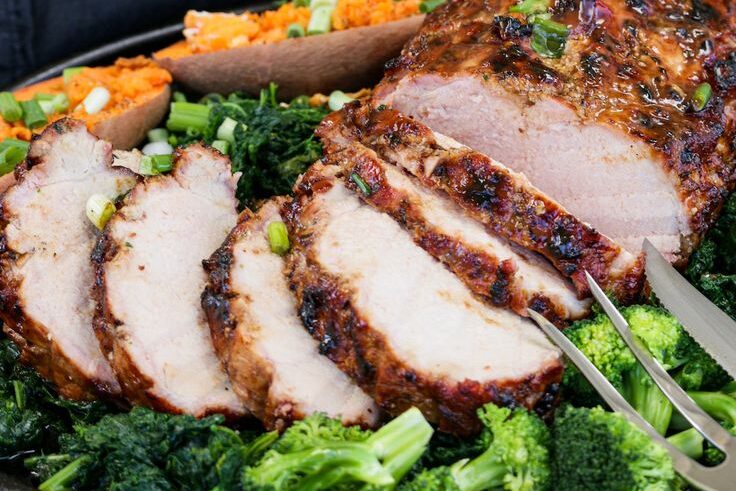
Sichuan pork, referred to as shuǐzhǔ ròupiàn or ‘poached pork slices,’ is a distinguished dish within Sichuan cuisine. The pork is coated with a mixture of egg white and starch to maintain its moisture and tenderness before being boiled in a flavorful broth. This broth is characteristic of Sichuan cooking, known for its spicy and peppery profile. Diners will find that each slice of meat is infused with juices, offering a fresh and aromatic spicy experience.
A popular variation of this dish is poached beef slices, for which a recipe is also available.
- Xiaolongbao
Xiaolongbao, or ‘small basket buns’ in English, are a type of baozi (Chinese steamed bun) that are particularly favored in Jiangsu and Shanghai. Traditionally, these buns are steamed in small bamboo baskets, which is reflected in their name. The most prevalent filling for xiaolongbao is pork, although variations may include beef, crab meat, shrimp, seafood, and various vegetable options.
A unique method exists for consuming the broth-filled Shanghai steamed-pork xiaolongbao (Shanghai soup buns): one may carefully nibble off a small section of the dough to extract the flavorful soup. Alternatively, a straw can be employed to sip the soup before enjoying the fillings and the dough.
- Zhajiangmian
Zhajiangmian, known as ‘fried sauce noodles’ in English, is a highly regarded dish within Shandong Cuisine. This dish features thick wheat noodles generously topped with a savory zhajiang sauce, which is prepared by simmering pork or beef with salty fermented soybean paste. The term ‘zhajiang’ translates to ‘fried sauce’ in Chinese, while ‘mian’ means ‘noodles’. Additionally, it is a popular choice for a light meal or snack in Beijing.
The origins of zhajiangmian trace back to Shandong, where it was brought to Beijing by Emperor Guangxu and Empress Dowager Cixi during their journey from Beijing to Xi’an in the late Qing Dynasty. Upon visiting a restaurant and sampling the dish, they were so impressed that they ordered a second serving. Subsequently, Empress Dowager Cixi invited the chef who prepared the dish to the palace in Beijing. This event marked the beginning of zhajiangmian’s rise in popularity throughout Beijing and across China.
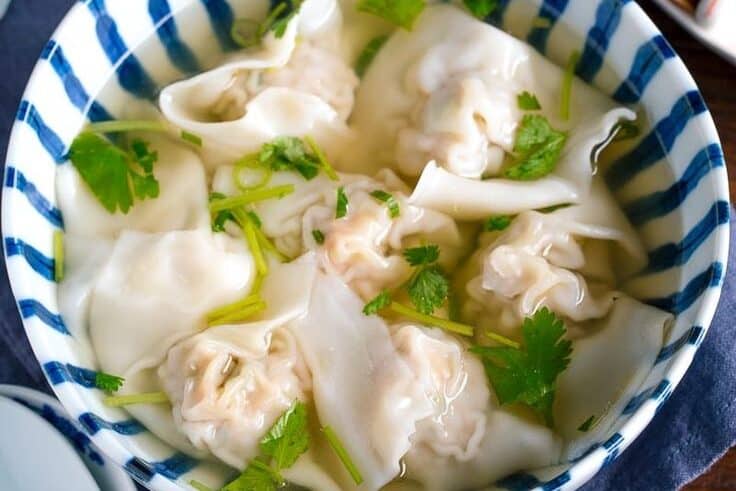
- Wonton Soup
Wontons, referred to as 馄炖 (húndùn) in Chinese, are a type of dumpling distinct from jiaozi due to their thinner dough wrappers and lesser filling. The shapes of wontons can vary based on their preparation, with some resembling silver ingots, which symbolizes wealth and is considered an auspicious dish.
Typically, wonton fillings consist of minced pork or diced shrimp. They are most commonly boiled and served in a flavorful broth, although they can also be deep-fried for a different texture.