Best Chinese cuisine Near me
Chinese cuisine is a remarkable culinary tradition that has captured the hearts and palates of people all over the world. Rooted in thousands of years of history and cultural evolution, it is celebrated for its complexity, diversity, and ability to turn simple ingredients into extraordinary dishes. The best Chinese cuisine is not just about taste; it is an art form that combines flavor, texture, presentation, and symbolism to create an unforgettable dining experience.
Order now !

At the core of Chinese cuisine is its philosophy of balance and harmony. This philosophy extends beyond cooking to encompass the principles of yin and yang, which influence the selection of ingredients and preparation techniques. Dishes are often designed to create a balance of flavors—sweet, sour, salty, bitter, and umami—and to achieve equilibrium between contrasting textures, such as crispy and tender, or soft and chewy. This meticulous attention to detail is what makes Chinese cuisine so unique and universally loved.
The variety within Chinese cuisine is staggering, thanks to the country’s vast geography and diverse regional cultures. Each region has its own distinctive culinary style, influenced by local ingredients, climate, and traditions. For example, Sichuan cuisine is famous for its bold and spicy flavors, featuring ingredients like chili peppers, garlic, and the numbing sensation of Sichuan peppercorns. In contrast, Cantonese cuisine is known for its emphasis on fresh, natural flavors and delicate cooking techniques such as steaming and poaching. Northern Chinese cuisine, with its hearty dumplings, noodles, and savory breads, reflects the colder climate and the abundance of wheat in the region. Meanwhile, the eastern coastal areas, such as Jiangsu and Zhejiang, highlight seafood and subtle sweetness in their dishes, emphasizing refined techniques and artistic presentation.
One of the most iconic aspects of Chinese cuisine is its extensive use of fresh ingredients. Seasonal vegetables, herbs, and meats are staples of Chinese cooking, ensuring that dishes are vibrant and full of flavor. The commitment to freshness is evident in markets across China, where cooks and chefs select ingredients daily to prepare meals that reflect the season’s best offerings. Whether it’s a simple stir-fry of fresh greens or a complex multi-course banquet, the quality of the ingredients is paramount.
Cooking techniques in Chinese cuisine are as diverse as the dishes themselves. Stir-frying, a quick and high-heat method, is perhaps the most well-known technique, creating dishes that are both flavorful and visually appealing. Steaming is another common method, used to preserve the natural flavors and nutrients of ingredients. Braising, deep-frying, roasting, and slow cooking are also widely employed, each bringing unique textures and depths of flavor to the table. These techniques, often passed down through generations, require precision and skill, turning cooking into a form of artistry.
The depth of Chinese cuisine extends to its symbolic meanings, which are often tied to cultural traditions and celebrations. Many dishes are prepared with specific intentions in mind, representing good fortune, prosperity, health, or longevity. For instance, long noodles symbolize long life, making them a popular dish during birthday celebrations. Dumplings, shaped like ancient Chinese money, are associated with wealth and are a staple during Lunar New Year festivities. Sweet rice balls, symbolizing family unity, are often enjoyed during the Lantern Festival. These symbolic connections make Chinese cuisine deeply meaningful and an integral part of cultural rituals.
A hallmark of the best Chinese cuisine is its ability to cater to a wide range of tastes and dietary preferences. Vegetarians can enjoy dishes like Buddha’s delight, a medley of stir-fried vegetables, tofu, and mushrooms. For meat lovers, dishes like Peking duck and sweet and sour pork are perennial favorites. Seafood enthusiasts can indulge in steamed fish with ginger and scallions or succulent shrimp dumplings. Even those with a sweet tooth are spoiled for choice, with desserts such as mango pudding, sesame balls, and red bean soup. The versatility of Chinese cuisine ensures that everyone can find something to savor.
Chinese cuisine is also a celebration of communal dining. Meals are typically served family-style, with multiple dishes placed at the center of the table for everyone to share. This encourages a sense of togetherness and allows diners to sample a variety of flavors and textures in one sitting. The practice of sharing food fosters connection and warmth, making every meal a social and enjoyable experience. Even the arrangement of dishes on the table is considered, with colors, shapes, and flavors harmoniously balanced to create visual and culinary delight.
Modern Chinese cuisine continues to evolve, blending traditional techniques with contemporary influences. Innovative chefs are reimagining classic dishes, incorporating global flavors, and experimenting with new presentation styles. This fusion of old and new keeps Chinese cuisine dynamic and relevant, appealing to a new generation of food enthusiasts while honoring its rich heritage. Additionally, the rise of Chinese street food culture has brought many regional specialties to the forefront, offering a more casual and accessible way to enjoy authentic flavors.
The influence of Chinese cuisine has extended far beyond its borders, shaping culinary traditions worldwide. Dishes like fried rice, spring rolls, and wonton soup have become staples in international dining. Chinese cooking techniques, such as stir-frying and steaming, have also been adopted globally, reflecting the universal appeal of its methods and flavors. The global popularity of Chinese cuisine is a testament to its ability to adapt and resonate with diverse palates.
At the heart of Chinese cuisine’s enduring appeal is its storytelling. Every dish tells a story—of history, culture, family, and tradition. A simple bowl of noodle soup can evoke memories of childhood, while a plate of stir-fried vegetables can showcase the beauty of seasonal ingredients. These stories connect people to their roots, celebrate cultural identity, and create shared experiences around the dining table.
Exploring the best Chinese cuisine is an adventure in taste, texture, and tradition. It offers a window into a culture that values harmony, balance, and community, all expressed through the universal language of food. Whether it’s savoring a fragrant bowl of hot and sour soup, biting into a perfectly crispy spring roll, or marveling at the intricate layers of dim sum, every dish invites you to experience the richness and diversity of Chinese cooking. The best Chinese cuisine is more than a meal—it’s a journey through time, culture, and the art of culinary excellence.
A Journey Through the Flavors of Authentic Chinese Cuisine
Chinese cuisine is a culinary tapestry woven from centuries of tradition, innovation, and a deep respect for the harmony of flavors. As one of the most celebrated and diverse cuisines in the world, Chinese food offers a culinary journey that delights the senses and tells a story with every bite. With its vibrant spices, delicate textures, and regional variations, authentic Chinese cuisine is a testament to the rich cultural heritage of China and the mastery of its chefs.
The Art of Chinese Cooking
Authentic Chinese cooking is an art form, defined by its focus on balance, technique, and the interplay of ingredients. At its core, the cuisine revolves around the philosophy of yin and yang, emphasizing harmony not just in flavor but also in the visual appeal, aroma, and nutritional value of each dish. Every ingredient is chosen with purpose, and every method is executed with precision to create dishes that resonate on multiple sensory levels.
The Five Fundamental Tastes
Chinese cuisine is built around the five fundamental tastes: sweet, sour, salty, bitter, and umami. This foundation ensures that every dish offers a balanced and complete flavor profile. For example, a dish like sweet and sour pork combines tangy vinegar with sugar to create a dynamic flavor contrast, while a bowl of hot and sour soup balances the heat of spices with the acidity of vinegar. These tastes are not just complementary; they elevate one another to create unforgettable dishes.
Techniques That Define Chinese Cooking
The cooking methods in Chinese cuisine are as varied as the ingredients themselves. Each technique contributes a distinct texture and depth of flavor to the dish. Some of the most iconic techniques include:
- Stir-Frying: A fast and high-heat cooking method that retains the freshness of ingredients. Popular dishes like beef and broccoli owe their vibrant flavors and textures to this technique.
- Steaming: A method that preserves the natural taste and nutrients of ingredients. Dim sum staples like dumplings and buns are often steamed to perfection.
- Deep-Frying: This technique adds a crispy texture to dishes like spring rolls and sesame chicken while sealing in moisture.
- Braising: A slow-cooking method that infuses meats and vegetables with bold, complex flavors. Braised pork belly is a quintessential example.
- Roasting: Used for creating iconic dishes like Peking duck, roasting imparts a crispy exterior and tender, juicy interior.
- Boiling and Simmering: These methods are key to creating soups and broths with layers of depth, such as wonton soup or the rich flavors of a hot pot base.
Each technique requires precision and expertise, making authentic Chinese cuisine a true art form.
Regional Diversity in Chinese Cuisine
One of the most fascinating aspects of Chinese cuisine is its regional diversity. With a country as vast as China, each region boasts its own unique ingredients, cooking methods, and flavor profiles. This diversity makes Chinese cuisine a treasure trove of culinary experiences.
Cantonese Cuisine (Yue Cuisine)
Cantonese cuisine is one of the most internationally recognized styles of Chinese cooking. Known for its emphasis on fresh ingredients and subtle flavors, Cantonese dishes often let the natural taste of the ingredients shine. Signature dishes include:
- Dim Sum: Bite-sized portions of dumplings, buns, and rolls served with tea.
- Char Siu: Sweet and savory roasted pork.
- Steamed Fish: A simple yet elegant dish featuring fresh fish steamed with ginger and soy sauce.
Szechuan Cuisine (Chuan Cuisine)
Famous for its bold, spicy, and numbing flavors, Szechuan cuisine originates from the southwestern province of Sichuan. This style of cooking heavily features chili peppers, garlic, and Sichuan peppercorns, which create a tingling sensation on the palate. Popular dishes include:
- Mapo Tofu: Silky tofu in a spicy, flavorful sauce with minced meat.
- Kung Pao Chicken: Stir-fried chicken with peanuts, vegetables, and chili peppers.
- Hot Pot: A communal dining experience with a simmering pot of spicy broth for cooking meats and vegetables.
Shanghainese Cuisine
Shanghainese cuisine is characterized by its use of sugar and soy sauce, creating a unique balance of sweet and savory flavors. The dishes are often rich and comforting. Notable examples include:
- Xiaolongbao: Soup-filled dumplings that burst with flavor.
- Red-Braised Pork: Pork belly cooked in a sweet and savory soy-based sauce.
- Drunken Chicken: Chicken marinated in Shaoxing wine.
Northern Cuisine
The cuisine of northern China, including Beijing and Shandong, is hearty and robust, often featuring wheat-based staples like noodles, buns, and pancakes. The colder climate influences the cuisine, resulting in dishes that are warming and satisfying. Highlights include:
- Peking Duck: A legendary dish with crispy skin and tender meat, served with thin pancakes.
- Jiaozi: Dumplings filled with meat and vegetables, often served boiled or pan-fried.
- Zha Jiang Mian: Noodles topped with a rich, savory soybean paste.
Hunan Cuisine (Xiang Cuisine)
Hunan cuisine is known for its bold flavors and liberal use of fresh chili peppers. Unlike Szechuan cuisine, which relies on numbing spices, Hunan dishes focus on pure, fiery heat. Signature dishes include:
- Chairman Mao’s Red-Braised Pork: A spicy and savory pork belly dish.
- Hunan Chili Fish: Fish cooked in a spicy broth with fresh chilies.
- Smoked Meat Stir-Fry: A dish featuring smoked meats and fresh vegetables.
Fujian Cuisine (Min Cuisine)
Fujian cuisine emphasizes fresh seafood, mild seasonings, and a focus on soups and broths. The flavors are delicate and refined. Notable dishes include:
- Buddha Jumps Over the Wall: A luxurious soup with an array of high-quality ingredients.
- Oyster Omelette: A crispy and savory dish made with fresh oysters.
- Braised Sea Cucumber: A delicacy often served on special occasions.
The Joy of Sharing Chinese Cuisine
One of the most cherished aspects of authentic Chinese cuisine is its communal nature. Meals are often shared, with dishes placed at the center of the table for everyone to enjoy. This tradition fosters a sense of togetherness and encourages diners to explore a variety of flavors and textures in a single meal.
Chinese cuisine is also deeply rooted in symbolism. Certain dishes are associated with good luck, prosperity, and happiness, making them popular choices for celebrations and festivals. For example:
- Dumplings: Symbolize wealth and prosperity due to their resemblance to ancient Chinese currency.
- Longevity Noodles: Represent long life and are often served on birthdays.
- Whole Fish: Signifies abundance and is a must-have during Chinese New Year.
The Global Influence of Chinese Cuisine
Over the centuries, Chinese cuisine has spread across the globe, adapting to local tastes while retaining its essence. This global influence has given rise to new interpretations of classic dishes, from American-style General Tso’s chicken to British-inspired Chinese curry. Despite these adaptations, the heart of Chinese cooking remains unchanged: a commitment to quality, balance, and the joy of sharing food.
Today, authentic Chinese cuisine continues to inspire chefs and food enthusiasts worldwide. Its ability to evolve while honoring tradition is a testament to its timeless appeal.
Embracing the Flavors of Authentic Chinese Cuisine
Whether you’re new to Chinese cuisine or a lifelong fan, exploring the flavors of authentic dishes is a rewarding experience. Each dish tells a story of tradition, innovation, and the mastery of culinary techniques passed down through generations. From the fiery heat of Szechuan spices to the delicate sweetness of Cantonese desserts, Chinese cuisine offers a world of flavors waiting to be discovered.
Take a moment to savor the artistry, history, and passion that go into every bite of authentic Chinese cuisine. It’s more than just food; it’s a journey through culture, flavor, and the timeless joy of a shared meal.
Find the Best Chinese Takeaway Options Close to Your Location
Chinese takeaway has become a staple for those who crave convenience without sacrificing flavor. Whether you’re in the mood for a quick bite, planning a family dinner, or hosting a casual gathering, Chinese cuisine offers an unbeatable variety of delicious dishes. The versatility, affordability, and speed of preparation make it an enduring favorite for takeout lovers.

From savory stir-fries to aromatic soups, Chinese food satisfies a broad range of tastes and dietary needs. But how do you find the best Chinese takeaway near you? The answer lies in understanding what makes great Chinese takeaway stand out and knowing how to identify the best options in your area.
What Makes Great Chinese Takeaway?
The hallmark of excellent Chinese takeaway is the perfect blend of quality, authenticity, and convenience. When selecting a restaurant for takeaway, there are a few essential elements to keep in mind:
- Fresh Ingredients
The best Chinese takeaway options prioritize the use of fresh, high-quality ingredients. Fresh vegetables, tender cuts of meat, and fragrant herbs and spices are the foundation of great Chinese dishes. These ingredients contribute to the bold flavors and vibrant textures that make Chinese food so satisfying. - Authenticity
Authenticity is another crucial factor. While many restaurants cater to popular tastes with familiar dishes like General Tso’s chicken or sweet and sour pork, others delve deeper into regional Chinese cuisine. Authentic menus often feature traditional recipes from provinces like Sichuan, Canton, and Hunan, providing a more diverse and exciting culinary experience. - Variety
A standout Chinese takeaway menu will cater to a range of preferences. Whether you’re looking for vegetarian options, gluten-free dishes, or something spicy, the best places will have something for everyone. Classic dishes like fried rice, dumplings, and lo mein are complemented by lesser-known specialties such as mapo tofu or Peking duck. - Portion Sizes and Value for Money
Generous portion sizes and reasonable pricing are hallmarks of great takeaway spots. Chinese cuisine is known for being shareable, and a good restaurant will ensure you get plenty of food for the price you pay. - Convenience and Speed
One of the biggest draws of Chinese takeaway is how quickly it can be prepared. The best options offer speedy service without compromising on quality, ensuring that your meal arrives fresh and piping hot. - Customizability
The ability to customize dishes is another sign of a great Chinese takeaway spot. Whether you need your meal prepared with less spice, more sauce, or a specific ingredient substitution, restaurants that accommodate these requests often stand out for their commitment to customer satisfaction.
Tips for Finding the Best Chinese Takeaway Near You
With so many options available, finding the best Chinese takeaway can feel overwhelming. However, a few strategies can help you narrow down your choices and ensure you pick the perfect spot for your next meal.
1. Explore Online Reviews
Online platforms like Google, Yelp, and TripAdvisor are invaluable resources when searching for the best Chinese takeaway near you. Pay attention to ratings, customer reviews, and photos of the dishes. Reviews often provide insights into the restaurant’s quality, portion sizes, and service speed. Look for consistent positive feedback about food quality and flavor.
2. Check Menus for Variety
A diverse menu is often a good indicator of a high-quality takeaway option. Look for a balance of familiar classics and unique specialties. Restaurants that offer both traditional and innovative dishes demonstrate a commitment to catering to a wide audience while maintaining authenticity.
3. Use Food Delivery Apps
Food delivery apps like DoorDash, Uber Eats, and Grubhub make it easy to browse Chinese takeaway options near you. These platforms often include customer reviews, photos, and estimated delivery times, making it simple to compare options. Additionally, many apps allow you to filter by dietary preferences, price range, and cuisine type.
4. Consider Word of Mouth
Recommendations from friends, family, or coworkers can be invaluable when searching for great Chinese takeaway. People who share your taste in food are likely to point you in the right direction. Don’t hesitate to ask for their favorite spots or go-to dishes.
5. Look for Signs of Authenticity
If you’re looking for more traditional Chinese cuisine, pay attention to menus and ingredients that reflect regional authenticity. Dishes like xiao long bao (soup dumplings), Szechuan hotpot, or hand-pulled noodles are often indicative of a restaurant that prioritizes authentic recipes and cooking techniques.
6. Prioritize Cleanliness and Packaging
Good takeaway isn’t just about flavor—it’s also about presentation and hygiene. Look for restaurants that use sturdy, eco-friendly packaging to ensure your food arrives intact and fresh. Cleanliness is another important factor; a quick glance at reviews will often tell you if a place meets health and safety standards.
Popular Chinese Dishes to Try for Takeaway
Chinese cuisine offers a vast array of dishes, ensuring that there’s something for every taste preference. Here are some must-try options when ordering takeaway:
- Fried Rice: A versatile dish with options like chicken, shrimp, vegetable, or Yangzhou-style fried rice.
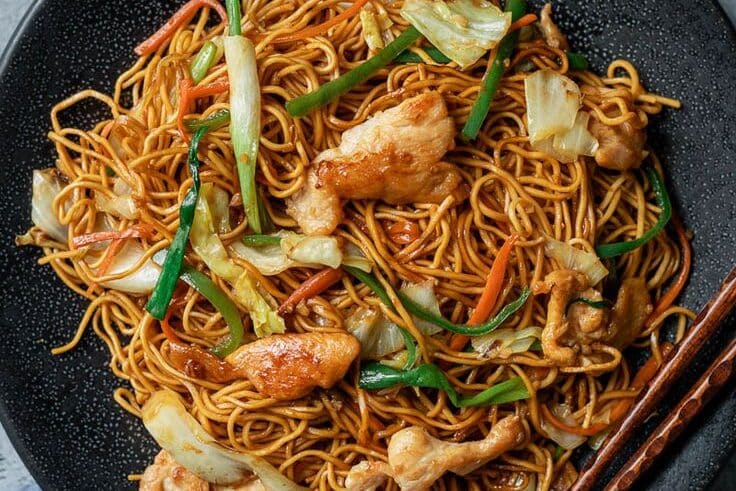
- Lo Mein and Chow Mein: Noodle dishes tossed with a savory soy-based sauce and stir-fried vegetables.
- Dumplings: Steamed or fried dumplings filled with pork, chicken, or vegetables.
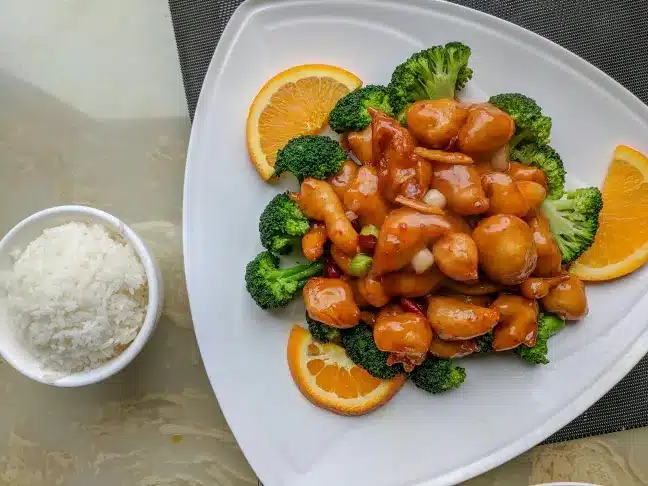
- Kung Pao Chicken: A spicy stir-fry with chicken, peanuts, and vegetables in a flavorful sauce.
- Sweet and Sour Pork: A tangy and crispy dish that’s a favorite for many.
- Hot and Sour Soup: A warming soup with tofu, mushrooms, and bamboo shoots in a spicy broth.
- Mapo Tofu: A bold, spicy dish made with tofu and minced pork in a chili bean paste sauce.
- Peking Duck: A tender and crispy dish often served with pancakes and hoisin sauce.
These classics are just the tip of the iceberg, as many restaurants also offer regional specialties that highlight the diversity of Chinese cuisine.
The Joy of Chinese Takeaway
Chinese takeaway isn’t just about convenience; it’s also about creating memorable dining experiences. Whether you’re sharing a meal with loved ones or treating yourself to a solo feast, Chinese food has a unique ability to bring comfort and joy. The combination of bold flavors, vibrant colors, and fragrant aromas makes every meal an adventure.
Additionally, the shareable nature of Chinese cuisine makes it perfect for group gatherings. Ordering a variety of dishes allows everyone to sample different flavors, turning a simple meal into a communal celebration.
For those who enjoy experimenting with flavors, Chinese takeaway also offers opportunities to try new dishes and expand your palate. From mild and savory options to bold and spicy creations, there’s always something new to discover.
Reheating and Leftovers
One of the best things about Chinese takeaway is how well it reheats. Many dishes, like fried rice and stir-fries, taste just as good (if not better) the next day. To maintain the flavor and texture, reheat your food in a skillet with a bit of oil or water instead of using the microwave. This method helps retain the dish’s original texture and prevents it from drying out.
The Final Word
Finding the best Chinese takeaway near you is about more than just convenience—it’s about discovering a go-to spot that delivers consistently delicious and satisfying meals. By prioritizing quality, authenticity, and variety, you can enjoy the rich and diverse world of Chinese cuisine from the comfort of your own home.
Whether you’re craving classic dishes or exploring new flavors, the right Chinese takeaway can make every meal feel special. With so many options available, there’s never been a better time to indulge in the bold and comforting flavors that make Chinese food a global favorite.
This article provides a comprehensive guide to finding and enjoying Chinese takeaway near you. Let me know if you’d like to expand on any specific sections!
General Questions
- What makes a restaurant the best choice for Chinese cuisine near me?
Fresh ingredients, authentic recipes, diverse menu options, and positive reviews contribute to a top-rated Chinese restaurant. - How do I find the best Chinese cuisine near me?
Use platforms like Google Maps, Yelp, or food delivery apps to search for highly rated Chinese restaurants in your area. - What is considered authentic Chinese cuisine?
Authentic Chinese cuisine focuses on traditional cooking methods, regional specialties, and fresh, high-quality ingredients. - Why is Chinese cuisine so popular?
Its diverse flavors, variety of dishes, and ability to cater to different tastes and diets make it a favorite worldwide. - What are the benefits of eating Chinese cuisine?
Chinese cuisine often incorporates fresh vegetables, lean proteins, and flavorful herbs, offering a balance of taste and nutrition.
Dish-Specific Questions
- What are some must-try dishes at Chinese restaurants?
Popular options include General Tso’s chicken, Peking duck, dumplings, fried rice, lo mein, and Szechuan chicken. - What are the best vegetarian options in Chinese cuisine?
Dishes like stir-fried tofu, vegetable fried rice, Buddha’s delight, and eggplant in garlic sauce are excellent vegetarian choices. - Which Chinese dishes are best for sharing with a group?
Family-style meals like Peking duck, hotpot, or large servings of fried rice and noodles are ideal for group dining. - Are there spicy dishes in Chinese cuisine?
Yes, spicy dishes like Szechuan hotpot, mapo tofu, and kung pao chicken are great for those who enjoy bold, fiery flavors. - What soups are popular in Chinese cuisine?
Wonton soup, hot and sour soup, and egg drop soup are classic Chinese soups often found on menus.
Dining Options
- Should I dine in or get Chinese food for takeout?
Dine-in offers an authentic experience with ambiance, while takeout provides convenience and flexibility. - Can I order Chinese cuisine for delivery near me?
Yes, many Chinese restaurants offer delivery services through apps like Uber Eats, DoorDash, and Grubhub. - What should I look for in a Chinese restaurant’s menu?
Look for a balance of classic favorites and regional specialties, as well as options for different dietary preferences. - Do Chinese restaurants near me offer family meal deals?
Many restaurants provide family-style meals or combo platters that are perfect for sharing. - Are there gluten-free options in Chinese cuisine?
Yes, dishes like steamed rice, stir-fried vegetables, and some rice noodle dishes are naturally gluten-free.
Tips and Recommendations
- How do I identify the best-rated Chinese restaurant near me?
Check for consistently high ratings, positive reviews, and recommendations from locals or friends. - What makes Chinese cuisine stand out from other types of food?
Its rich flavors, use of fresh ingredients, and emphasis on balance and harmony in taste make it unique. - Can I customize my order at Chinese restaurants?
Most Chinese restaurants allow customization, such as adjusting spice levels or modifying ingredients to suit your preferences. - What are some unique dishes I should try in Chinese cuisine?
Explore options like xiao long bao (soup dumplings), crispy Beijing duck, or Szechuan-style boiled fish for something different. - Why is Chinese cuisine perfect for any occasion?
Its versatility, variety, and ability to cater to different tastes make Chinese cuisine suitable for casual meals, celebrations, or even comfort food.