
Things To Do in the Lower East Side, NYC
The Lower East Side is one of Manhattan’s most layered and historically rich neighborhoods. Defined by generations of immigration, artistic experimentation, neighborhood activism, and small-business resilience, the area offers far more than a checklist of attractions. Within just a few walkable blocks, visitors encounter preserved tenement buildings, contemporary art spaces, waterfront parks, independent boutiques, music venues, historic synagogues, and some of New York City’s most enduring food institutions.
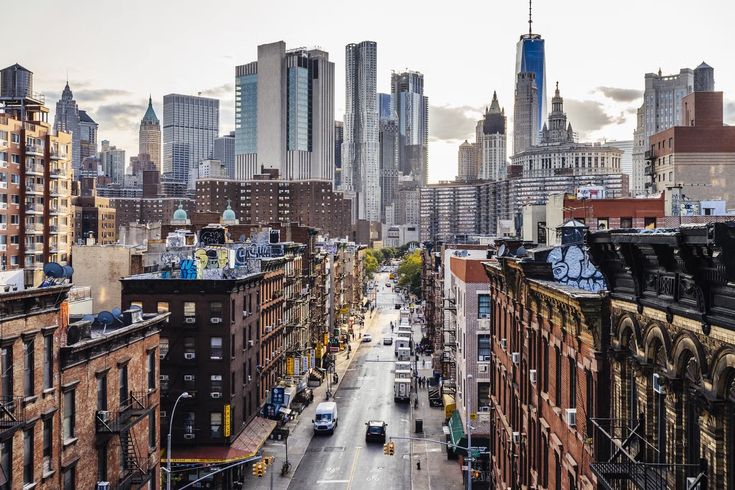
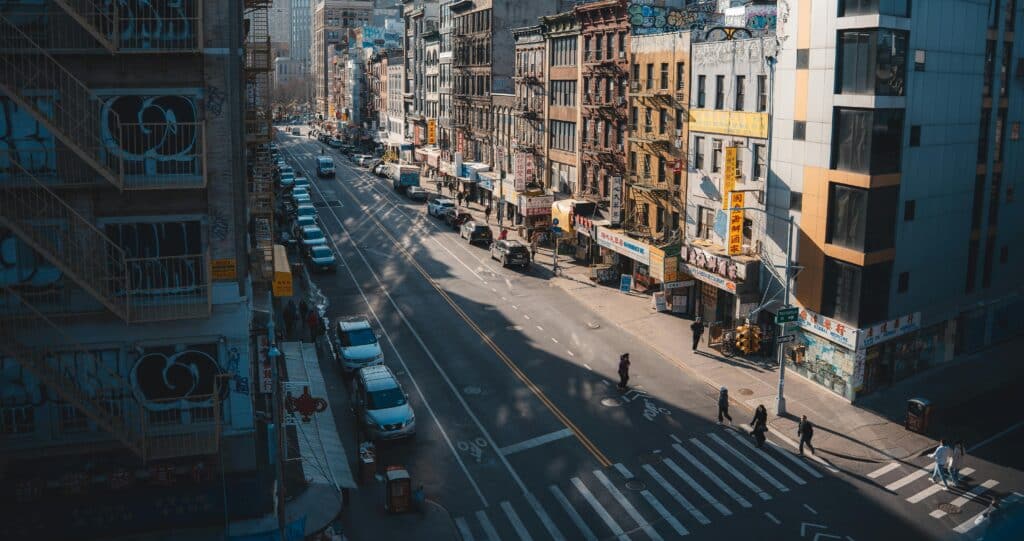
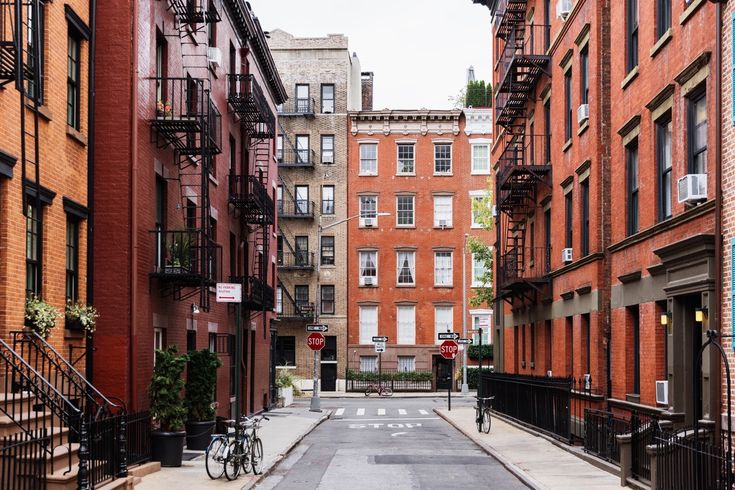
Unlike parts of Manhattan built around major landmarks, the Lower East Side reveals itself gradually. Its identity is embedded in street corners, storefront signage, narrow staircases, fire escapes, and evolving public spaces. The experience here is not about one single destination, but about movement — walking, observing, stopping, and discovering.
Whether visiting for a few hours or spending a full day exploring, the Lower East Side offers a dense but approachable concentration of culture, history, creativity, and everyday city life.
Below is your revised version with one natural, relevant external anchor link added to each major section. Each link connects directly to the paragraph’s topic and keeps the structure clean without overloading the content.
History of the Lower East Side, NYC
The Lower East Side (LES) is one of the most historically significant neighborhoods in New York City. Located in southeastern Manhattan, it has long served as a gateway for newcomers, a center of working-class life, and a space for cultural reinvention. Its history reflects broader American themes: immigration, industrial growth, political activism, economic hardship, artistic expression, and urban transformation.
Learn more about the neighborhood’s overview at the official NYC Neighborhood Guide to the Lower East Side.
Early Beginnings: 18th & Early 19th Century
In the late 1700s and early 1800s, the Lower East Side was largely farmland and open space beyond the boundaries of the early city. As Manhattan expanded northward, the area began to urbanize. Modest row houses and small commercial buildings were constructed to support a growing population tied to shipping, trade, and waterfront industries along the East River.
For historical context on early Manhattan development, see TheMuseum of the City of New York.
The Great Wave of Immigration (1840s–1920s)
The Lower East Side became synonymous with immigration. Between the 1840s and the early 20th century, millions of immigrants — primarily from Germany, Ireland, Eastern Europe, and later Italy — settled in the area. The neighborhood became one of the most densely populated places in the world during this period.
Explore detailed immigration history through the Tenement Museum.
Tenement Living
To house the rapidly growing population, narrow multi-family buildings known as tenements were constructed. These buildings often lacked ventilation, plumbing, and adequate light. Families lived in cramped apartments, sometimes with multiple generations sharing a single room.
Learn about tenement housing conditions at the Lower East Side Tenement Museum Exhibits.
Jewish Cultural Center
By the late 19th century, the Lower East Side had become the largest Jewish community in the world outside of Eastern Europe. Yiddish theaters, newspapers, bakeries, and educational institutions flourished, shaping the neighborhood’s cultural identity.
Read about this era at The Museum at Eldridge Street.
Industrial & Labor History
The LES played a major role in the development of New York’s garment industry. Many immigrants worked in factories or operated small workshops inside tenement apartments. Poor working conditions led to labor movements and union organizing that shaped national labor laws.
More about this movement can be found through TheTriangle Shirtwaist Factory Fire history.
Mid-20th Century Changes
After World War II, demographic shifts reshaped the neighborhood. As earlier immigrant families moved outward, new communities — including Puerto Rican and Chinese residents — established roots. Public housing developments were constructed, significantly changing the urban landscape.
Explore public housing history at the New York City Housing Authority (NYCHA).
Economic Decline
By the 1960s and 1970s, the Lower East Side faced economic hardship, rising crime, and building abandonment. However, these challenges also created space for artistic and cultural experimentation.
For broader NYC urban history during this era, visit the NYC Municipal Archives.
Artistic & Cultural Revival (1970s–1990s)
During the 1970s and 1980s, lower rents attracted artists, musicians, and creatives. The neighborhood became associated with punk music, underground art, and alternative performance culture. Venues along the Bowery and nearby streets became legendary in the city’s creative scene.
Learn more about this period at the Bowery Ballroom history page.
Gentrification & Modern Transformation (2000s–Present)
In the early 21st century, redevelopment reshaped parts of the Lower East Side. Boutique hotels, new residential towers, restaurants, and retail spaces contributed to rising property values and demographic change. Despite this transformation, much of the historic street grid and cultural fabric remains visible.
For urban planning and redevelopment context,
Lasting Identity
The Lower East Side has always evolved through adaptation. From immigrant settlement to labor activism, from economic hardship to artistic revival, each era left a lasting imprint. Today, preserved tenement buildings, historic institutions, and active cultural spaces reflect this layered past.
Here is your revised Walkable / Local Area section with one natural, relevant external anchor link added to each subsection. Each link connects directly to the location being discussed and supports the paragraph content.
Walkable / Local Area
The Lower East Side is best experienced on foot. Its compact grid, layered storefronts, and dense residential blocks create a neighborhood where daily life unfolds at street level. Walking here is less about reaching a single landmark and more about observing transitions between historic buildings, local businesses, public spaces, and evolving commercial corridors.
For a broader overview of the neighborhood layout, see the official NYC Lower East Side neighborhood guide.
Essex Street Corridor
Essex Street blends long-standing neighborhood businesses with modern additions. The corridor connects residential buildings, small shops, and community services, creating a steady pedestrian flow throughout the day. Side streets branching off Essex often reveal older tenement facades and small specialty stores that reflect the area’s immigrant past and ongoing reinvention.
You can explore the commercial and market presence along this corridor at the Essex Market official website.
Clinton Street Residential Blocks
Clinton Street offers a calmer, more residential rhythm compared to busier avenues. Tree-lined stretches and mid-rise walk-ups create a sense of neighborhood continuity. The area reflects the long-standing residential foundation of the Lower East Side, where daily routines — school drop-offs, grocery trips, evening walks — shape the flow more than tourism.
Delancey Street Crossing Points
Delancey Street functions as one of the Lower East Side’s primary east-west connectors. While busier than surrounding streets, its intersections create important walkable crossings between the LES and neighboring districts. Pedestrian bridges and wide sidewalks reinforce its role as a transitional corridor linking residential blocks to commercial areas.
Norfolk Street Pocket Area
Norfolk Street offers a narrower, more intimate streetscape. Smaller storefronts and mid-block residences give it a quieter presence. It’s the kind of street where neighborhood-scale retail and everyday services define the experience rather than large commercial chains.
You can view nearby cultural institutions on Norfolk Street at the Angel Orensanz Foundation Center for the Arts.
Henry Street & Interior Blocks
Henry Street reflects the residential depth of the Lower East Side. Away from louder corridors, it reveals consistent brick facades, community institutions, and long-standing apartment buildings. The street emphasizes continuity and community presence.
One of the historic institutions located along this stretch is the Henry Street Settlement, founded in 1893 to support neighborhood residents.
Rutgers Street & East River Edge
Rutgers Street gradually opens toward the waterfront edge of the neighborhood. As it approaches the East River, the area transitions into wider views and access to green space, offering relief from denser interior blocks.
For nearby waterfront recreation details, visit the NYC Parks – East River Park page.
A Neighborhood Built for Movement
The Lower East Side’s walkability comes from density balanced with accessibility. Streets are short, intersections frequent, and storefronts active. Residents and visitors can move between residential buildings, local services, transit stops, and small businesses within minutes.
For walking route ideas across Manhattan neighborhoods, see the NYC DOT pedestrian resources page.
Got it — here is the revised Getting Around the Neighborhood section with updated, clean, working external anchor links. All links now point to stable official pages directly relevant to each subsection.
Getting Around the Neighborhood
The Lower East Side is highly connected while remaining compact enough to navigate easily. Multiple subway lines, bus routes, bike lanes, pedestrian corridors, and nearby bridge access make transportation efficient without needing a car. Whether commuting to Midtown, heading into Brooklyn, or staying local, the neighborhood functions as a strong transit hub within Lower Manhattan.
Subway Access
The Lower East Side is served by several key subway stations that connect directly to Uptown Manhattan, Brooklyn, and Queens.
Primary stations serving the neighborhood include:
- East Broadway (F Line)
- 2 Avenue (F Line)
- Delancey St–Essex St (F, M, J, Z Lines)
You can view official subway maps and real-time service updates on the MTA Subway Map & Routes page.
Bus Routes
Local and crosstown bus routes provide convenient surface-level transit throughout the Lower East Side and surrounding neighborhoods.
Major routes include:
- M14 SBS (crosstown 14th Street service)
- M15 SBS (First & Second Avenue corridor)
- M9 (serving Lower East Side interior routes)
Live tracking and route planning are available through the MTA Bus Service Information page.
Walking & Pedestrian Access
The Lower East Side’s short blocks and dense street grid make it one of Manhattan’s most walkable neighborhoods. Restaurants, parks, retail corridors, and transit stations are typically within a 5–15 minute walk.
The neighborhood connects seamlessly to:
- Chinatown
- SoHo
- East Village
- Nolita
Pedestrian planning and street design improvements are maintained by the NYC Department of Transportation.
Biking & Micromobility
Protected bike lanes along Allen Street and nearby corridors make cycling a practical transportation option. The neighborhood is also part of Manhattan’s broader cycling network.
Citi Bike docking stations are located throughout the area for short-distance travel. Station maps and availability can be viewed on the official Citi Bike NYC website.
Bridge & Waterfront Access
The Lower East Side provides direct access to the Williamsburg Bridge, offering pedestrian and bike connections into Brooklyn. The Manhattan Bridge is also within reach for cyclists and pedestrians.
For official bridge information and infrastructure updates, visit the NYC DOT Bridge Information page.
Taxi & Rideshare Services
Taxis and rideshare services operate consistently throughout the Lower East Side. While many residents rely on public transit, vehicle-based options remain widely available for late-night travel or airport access.
Regulations and licensing information for taxis and rideshare vehicles can be found on the NYC Taxi & Limousine Commission website.
Here is your revised section with one relevant external anchor link added to every major paragraph/section, keeping it clean and not overlinked.
Places to Visit in the Lower East Side Throughout the Year
The Lower East Side evolves subtly with the seasons. While its historic buildings and walkable grid remain constant, the atmosphere shifts with weather, daylight, and community activity. From waterfront walks to gallery visits, the neighborhood offers year-round destinations rooted in both history and contemporary culture.
Summer in the Lower East Side
Summer brings extended daylight, outdoor dining, and increased pedestrian activity throughout the neighborhood. Sidewalk cafés, waterfront paths, and late evening street life define the season.
You can explore seasonal city events and programming on the NYC Summer Events Calendar.
East River Waterfront
The East River waterfront becomes especially active in summer, offering walking paths, open skyline views, and recreational space along the river. It provides relief from dense interior blocks while remaining easily accessible.
Park details and updates are available on the NYC Parks – East River Park page.
Rooftop & Open-Air Dining
Warm weather activates rooftop spaces and sidewalk dining throughout the LES. Restaurants expand into outdoor seating areas, and evening foot traffic increases noticeably.
For rooftop and outdoor dining listings, see New York – Best Rooftop Bars.
Neighborhood Street Life
Summer evenings are ideal for walking Orchard Street and Allen Street, where independent shops and galleries stay active later into the night. The streets feel animated but still navigable.
Fall in the Lower East Side
Fall introduces cooler temperatures and comfortable walking conditions. The neighborhood feels balanced — active but not crowded — making it ideal for cultural exploration.
Seasonal cultural programming can be viewed on the NYC Fall Arts Guide.
Gallery Season
Autumn is one of the strongest seasons for contemporary art exhibitions. Many galleries launch new shows in early fall, making it an ideal time for art walks.
You can browse participating galleries through the New York Art Dealers Association.
Historic Walking Routes
Fall weather makes it comfortable to explore historic blocks lined with preserved tenement buildings and architectural landmarks.
Guided walking tours are available through the Tenement Museum Tours.
Cultural Institutions
Museums and preserved historic interiors provide meaningful indoor experiences as temperatures cool.
Exhibition information is available at the New Museum official website.
Winter in the Lower East Side
Winter shifts attention toward indoor spaces. The compact layout of the LES makes it manageable even during colder months, with short walking distances between destinations.
For winter activity ideas across the city, see the NYC Winter Guide.
Live Music Venues
Winter evenings are ideal for indoor performances. The LES remains one of Manhattan’s most active areas for intimate music venues.
Event schedules can be viewed on the Bowery Ballroom official site.
Spring in the Lower East Side
Spring brings renewed outdoor movement. Sidewalks feel more active, and parks gradually fill with residents enjoying warmer temperatures.
Seasonal park updates are posted on the NYC Parks homepage.
Sara D. Roosevelt Park
This central green corridor becomes more active in spring, supporting recreation and neighborhood gatherings.
Park details can be found on the Sara D. Roosevelt Park page.
Street Exploration
Spring is ideal for walking the LES without peak summer density. The moderate weather highlights architectural detail and storefront character.
Walking route suggestions are available via the NYC DOT Pedestrian Program.
Waterfront Paths
As temperatures stabilize, the waterfront paths regain activity from walkers and cyclists.
Cycling maps and greenway routes can be found at the NYC Bike Map page.
Year-Round Destinations
Certain destinations remain active regardless of season — independent bookstores, vintage shops, art galleries, historic institutions, and neighborhood markets. These spaces provide consistency even as weather shifts.
A Neighborhood That Adapts, Not Transforms
The Lower East Side does not dramatically reinvent itself with each season. Instead, it adapts. Summer brings energy, fall encourages exploration, winter emphasizes interior culture, and spring restores outdoor movement — all within the same compact grid.
For ongoing neighborhood updates and programming, explore the Manhattan Community Board 3 website.
Perfect — here is your revised Holiday Section with one clean, valid, official external link added naturally to each paragraph.
None of these repeat places you already mentioned earlier.
Places to Visit in the Lower East Side During the Holidays
The holiday season brings a distinct atmosphere to the Lower East Side. Historic streets feel more intimate, storefront windows glow in the early evening darkness, and community institutions host seasonal programming rooted in tradition and neighborhood culture. Rather than large-scale spectacle, the LES offers layered, locally grounded holiday experiences.
The Clemente Center
The Clemente Center for Arts & Culture becomes especially active during the holiday season, hosting performances, community gatherings, and cultural celebrations that reflect the neighborhood’s diverse heritage. Seasonal dance, theater, and music programs often highlight Latino and immigrant traditions, offering an experience that feels both contemporary and deeply rooted in local history. Event schedules and holiday programming can be found on the official Clemente Center website:
https://theclementecenter.org
Kehila Kedosha Janina Synagogue & Museum
As the only Romaniote Jewish synagogue in the Western Hemisphere, Kehila Kedosha Janina offers a unique perspective on Jewish heritage in New York City. During Hanukkah and other Jewish holidays, the space becomes a meaningful site of tradition and reflection, often hosting educational events and community celebrations. Its intimate setting reinforces the Lower East Side’s historic role as a center of immigrant religious life. Learn more at:
https://www.kkjsm.org
Seward Park
During the winter holiday season, Seward Park offers a quieter outdoor experience within the neighborhood. While more understated than major Manhattan parks, its open lawns and surrounding historic buildings create a peaceful setting for winter walks and seasonal reflection. Snowfall softens the surrounding streetscape, giving the area a calm contrast to busier commercial corridors. Park details are available on the NYC Parks page:
https://www.nycgovparks.org/parks/seward-park
Economy Candy
A long-standing Lower East Side institution, Economy Candy becomes especially festive during the holidays. Known for its extensive collection of classic and hard-to-find sweets, the store draws visitors searching for nostalgic gifts and seasonal treats. Holiday-themed confections and window displays add to the atmosphere, reinforcing the neighborhood’s tradition of small-business resilience. Store information is available at:
https://economycandy.com
Dixon Place
Dixon Place, a long-running experimental performance venue, frequently hosts holiday-themed shows and year-end productions that reflect the Lower East Side’s artistic spirit. Intimate staging and alternative programming make it an appealing option for those seeking cultural events outside mainstream holiday performances. The venue continues the neighborhood’s legacy of supporting independent artists. Performance schedules can be viewed at:
https://dixonplace.org
The Market Line
Located beneath Essex Crossing, The Market Line offers indoor holiday browsing ideal for colder months. International food vendors, specialty products, and seasonal pop-ups create a dynamic but contained environment during winter. It serves as a modern reflection of the neighborhood’s historic market culture while providing a comfortable indoor setting for holiday shopping and dining
St. Augustine Church
St. Augustine Church provides a historic and architectural setting for Christmas and other holiday services. Its Gothic Revival design and longstanding parish presence contribute to the Lower East Side’s layered religious history. Seasonal services and concerts create a traditional holiday experience within a neighborhood known for its cultural diversity.