When East Meets Eerie: Celebrate Halloween with Authentic Chinese Flavors at Walung Kitchen NYC
As the streets of New York City begin to flicker with pumpkin lights and cobweb-covered doorways, one question rises from the chill of autumn air:
What’s for dinner this Halloween?
While many reach for candy bowls or spooky cocktails, this year, Walung Kitchen NYC invites you to celebrate Halloween in a way that’s bold, flavorful, and full of cultural magic — through the lens of authentic Chinese cuisine.
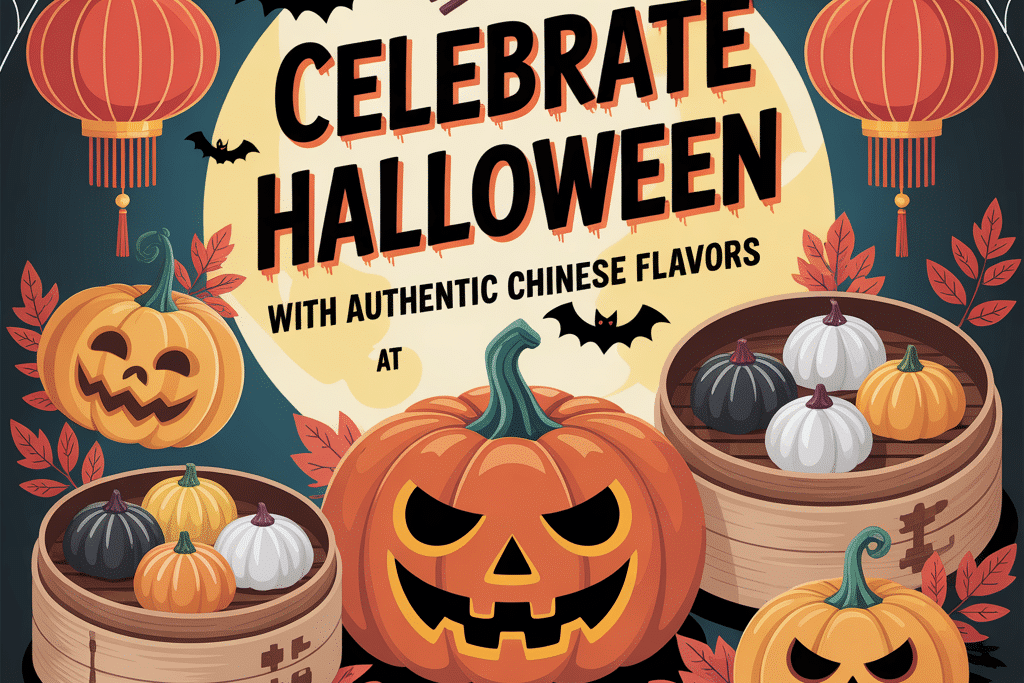
Forget trick-or-treat snacks — it’s time for a hauntingly delicious feast that bridges Chinese culinary tradition with the playful spirit of Halloween.
The Surprising Parallels Between Halloween and Chinese Tradition
At first glance, Halloween and Chinese traditions might seem to exist on opposite sides of the world — one born from the misty moors of Celtic Europe, the other from the ancient valleys of the Middle Kingdom. Yet beneath their contrasting symbols lies a shared heartbeat: both celebrate the mysterious, honor the unseen, and remind us of our deep connection with those who came before.
Shadows and Spirits: Two Worlds, One Meaning
Halloween began as Samhain, an ancient Celtic festival marking the end of harvest and the beginning of winter — the season when the veil between the living and the dead was believed to thin. Fires were lit, disguises were worn, and offerings were made to wandering souls.
Thousands of miles away and centuries apart, the Chinese Hungry Ghost Festival (中元节, Zhōng Yuán Jié) arose from the same instinct. Families prepared tables laden with food, burned incense and paper offerings, and set lanterns afloat to guide the spirits of ancestors safely home.
Both festivals reflect an enduring truth: the living do not forget the dead. Whether with a jack-o’-lantern’s flicker or a lantern’s glow on a riverbank, both cultures speak the same language — remembrance.
The Light That Never Fades
Light plays a central role in both Halloween and Chinese spiritual life. In the West, we carve pumpkins into luminous faces to keep darkness — and mischievous spirits — at bay. In the East, red lanterns glow softly during festivals, inviting harmony and safety.
These gestures of illumination are more than decoration. They are symbols of guidance — of the human desire to push back against fear and loss with warmth. Each candle, each flame, is a small promise: even in the longest night, the light endures.
Symbolism in Color and Form
If Halloween is painted in black and orange, and Chinese celebrations glow in red and gold, both palettes tell stories.
- Black, the color of the unknown, represents mystery and transformation — a reminder that darkness is not only fearsome but fertile, a place where new things begin.
- Orange and red bring vitality, fortune, and joy — warmth against the chill, life against shadow.
- Circular shapes — pumpkins, lanterns, mooncakes — embody unity and continuity, symbolizing that life, death, and rebirth are part of one eternal cycle.
Symbols bridge cultures; they show how humanity, no matter the continent, uses color and ritual to express hope.
The Ancestral Connection
Both Halloween and Chinese spiritual traditions stem from the same emotion: reverence. The act of remembering — of setting aside one night to speak to those beyond — connects us across millennia.
In Chinese custom, the concept of filial piety (孝, xiào) extends beyond life itself. Ancestors are believed to continue influencing the world of the living, and honoring them ensures harmony and protection. Halloween, too, retains that echo — a night when the boundary between worlds softens, when memory itself becomes sacred.
In both, the unseen world is not a source of dread but of relationship. The dead are not strangers; they are kin, protectors, and storytellers whose presence lingers gently around the living.
The Harvest and the Heart
Autumn is the common stage where both traditions unfold. As leaves fall and days shorten, people in every culture sense the shift — from abundance to reflection, from sunlight to candlelight.
Halloween’s pumpkins and China’s moon-viewing traditions both celebrate harvest — the closing of one cycle and the gratitude for sustenance. The season becomes a metaphor for balance: life and death, light and shadow, joy and remembrance, all coexisting in harmony.
Ritual, Memory, and Transformation
Rituals — whether offering apples to spirits or folding joss paper for ancestors — act as bridges between worlds. They transform fear into meaning, emptiness into connection. Both Halloween and the Chinese Ghost Festival teach us that the supernatural is not something to flee from, but something to understand.
They also invite reflection on impermanence. The masks and costumes of Halloween echo the Buddhist reminder that identity is ever-changing, that life itself is a series of transformations. The Chinese burning of paper offerings mirrors this impermanence — material goods turned to smoke, rising skyward as unseen gifts.
A Shared Human Story
Though born in different ages and lands, both traditions embody a single human truth: we are never truly separate from those who came before.
When children laugh under ghostly costumes, and when Chinese families gather under glowing lanterns, both acts carry the same message — that love and memory survive the passing of time.
These festivals, in their different languages, tell one shared story: of connection, gratitude, and the eternal cycle of life.
Conclusion: When East Meets West in Spirit
Halloween and Chinese traditions may wear different masks, but at heart, they share the same soul — a reverence for the mysterious, a tenderness for the past, and a belief that through ritual and remembrance, the living and the departed remain bound by love.
In every candle, every lantern, every whispered name, we glimpse that universal truth:
light always finds its way through the dark.