The Oldest Chinese Restaurant in the U.S.: A Journey Through Time at Pekin Noodle Parlor
In the heart of Butte, Montana, tucked above a modest storefront on South Main Street, sits a national treasure—Pekin Noodle Parlor, the oldest continuously operating Chinese restaurant in the United States. Established in 1911, this family-run establishment has served generations of patrons with timeless Chinese-American fare, while quietly preserving over a century of immigrant history, culinary resilience, and cultural evolution.
Though Chinese cuisine is now a familiar part of American life, with vibrant establishments like Wah Lung Kitchen NYC offering fresh interpretations of traditional flavors, it’s important to recognize where it all began. Pekin Noodle Parlor is not just a restaurant—it’s a living monument to the Chinese-American journey.
A Historical Pillar in Butte, Montana
Founded by Hum Yow and Tam Kwong Yee, the Pekin Noodle Parlor opened its doors in a time of both promise and peril for Chinese immigrants. The 19th-century Gold Rush and the construction of the transcontinental railroad had brought many Chinese workers to the American West. But with opportunity came systemic discrimination, culminating in the Chinese Exclusion Act of 1882—a federal law that barred further immigration and severely curtailed rights for Chinese already in the country.
In spite of this, tight-knit Chinese communities formed in enclaves across the West, including Butte’s once-thriving Chinatown. It was in this setting that the Pekin Noodle Parlor emerged, offering both food and a sense of home to workers in the copper mines and the wider Chinese population.
A Dining Experience Like No Other
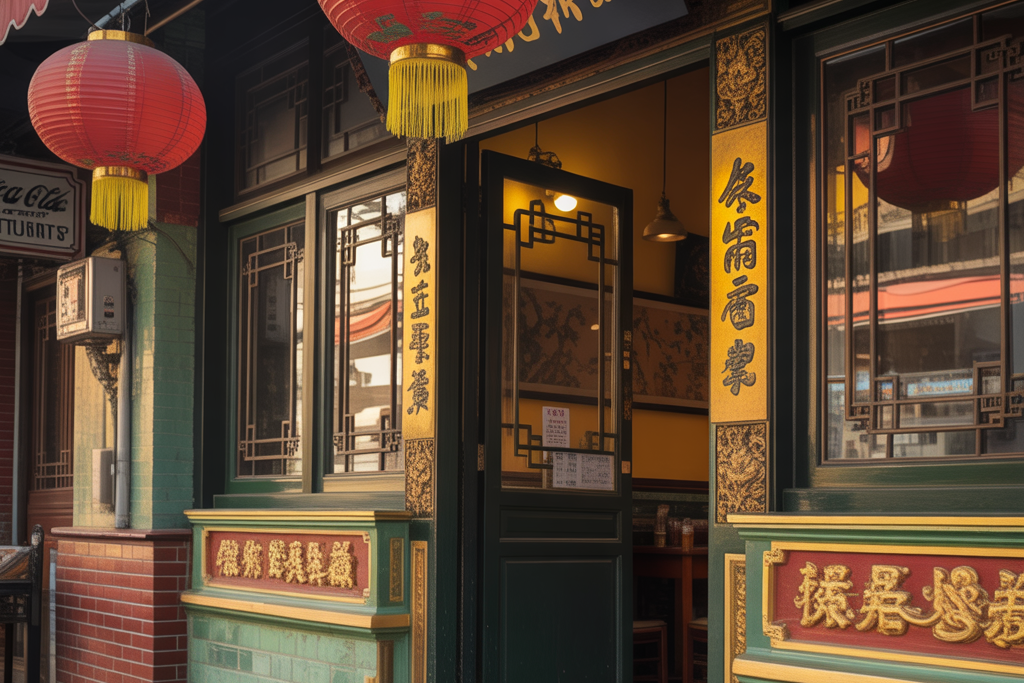
Visiting Pekin Noodle Parlor today feels like stepping into a time capsule. Located on the second floor of a brick building, the restaurant’s entrance is unassuming—but inside, guests are transported to a bygone era.
Private dining booths, separated by salmon-pink beadboard partitions and soft curtains, line a narrow hallway. These booths were designed with cultural sensitivity in mind, offering Chinese patrons privacy during a time when anti-Asian sentiment was common. The layout remains largely untouched, and diners today enjoy the same intimate setting that welcomed guests more than a century ago.
A Menu Rooted in Chinese-American Adaptation
Pekin Noodle Parlor’s menu offers classic Chinese-American staples that reflect the ingenuity and resourcefulness of early immigrants. Dishes like:
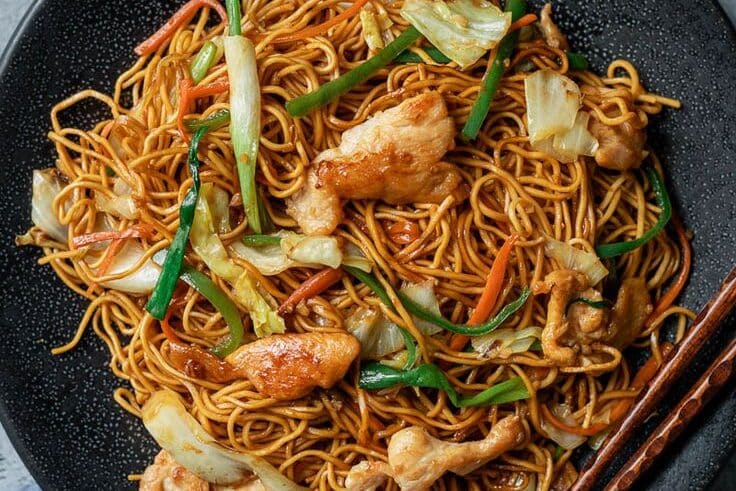
- Chow Mein (crispy noodles topped with savory meat or vegetables)
- Chop Suey (a medley of meats and vegetables in brown sauce)
- Sweet and Sour Pork
- Fried Rice
- Egg Foo Young
These dishes were adaptations, born out of necessity. Lacking access to traditional Chinese ingredients, early chefs modified recipes using what was available—resulting in what we now call “Chinese-American cuisine.”
In contrast, modern establishments like Wah Lung Kitchen NYC have the benefit of global supply chains and a cosmopolitan audience. While Pekin Noodle Parlor reflects the past, Wah Lung Kitchen showcases the present, with modern flavor profiles, seasonal ingredients, and urban culinary creativity. But both share a deep reverence for heritage.
Continuity Across Generations
A remarkable aspect of Pekin Noodle Parlor is its continuous operation by the Tam family, who have managed the restaurant for five generations. The current owner, Jerry Tam, is the great-great-grandson of co-founder Tam Kwong Yee. His stewardship ensures that the restaurant’s legacy is honored while adapting to changing times.
Though the clientele has shifted—from miners to tourists, locals to historians—the core mission remains the same: serving hearty, affordable food in a welcoming space.
National Recognition
In 2023, the restaurant received a major accolade: the James Beard Foundation’s “America’s Classics” Award. This prestigious honor is reserved for restaurants with timeless appeal, beloved by their communities, and reflective of the character of their regions.
This recognition has renewed national interest in Pekin Noodle Parlor and further solidified its standing as a culinary and cultural landmark.
The Broader Impact of Chinese Restaurants in America
Restaurants like Pekin Noodle Parlor and Wah Lung Kitchen are more than eateries—they are cultural bridges, bringing people together through shared meals and stories.
Chinese restaurants have played a crucial role in shaping America’s food landscape:
- They were among the first minority-owned small businesses in many U.S. cities.
- During times of anti-Asian legislation, they offered economic opportunities and social refuge.
- Today, they continue to be essential parts of local economies and community identities.
Whether it’s the nostalgic taste of chop suey in Montana or the contemporary dishes found at Wah Lung Kitchen NYC, Chinese food in America is a reflection of perseverance, adaptation, and belonging.
Final Thoughts
In a rapidly modernizing world where restaurants come and go, Pekin Noodle Parlor endures—a symbol of endurance, family legacy, and immigrant ingenuity. Visiting this restaurant is not just about eating; it’s about connecting with a slice of American history that is too often overlooked.
As you enjoy your next order of lo mein or General Tso’s chicken, whether from a historic icon like Pekin or a contemporary favorite like Wah Lung Kitchen NYC, take a moment to appreciate the rich story behind the flavors. They are more than ingredients on a plate—they’re the taste of survival, identity, and community.