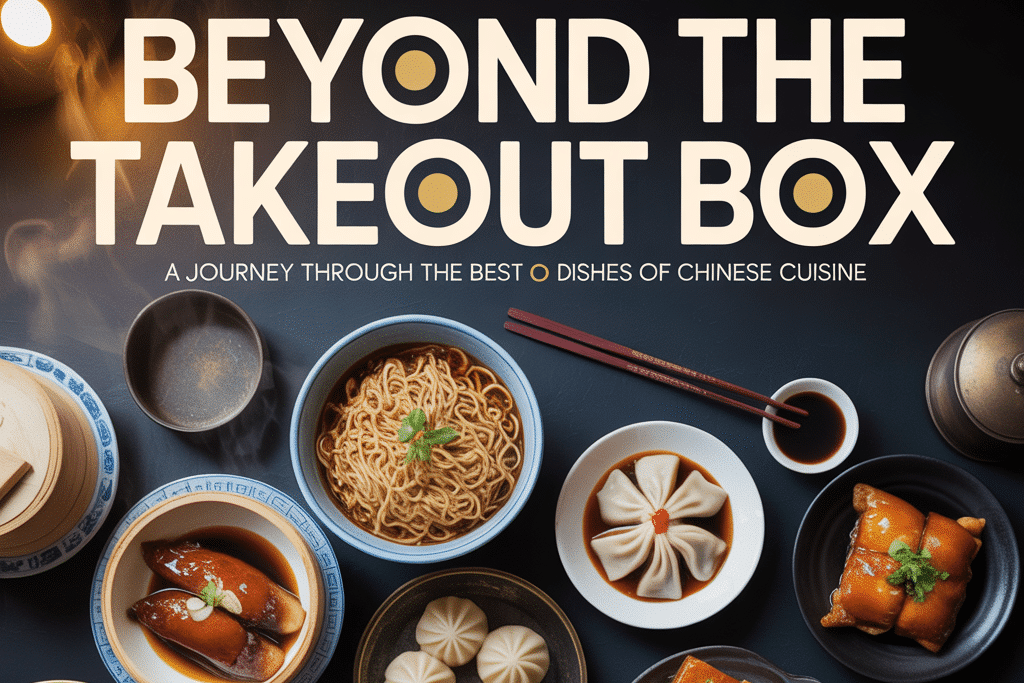
Beyond the Takeout Box: A Journey Through the Best Dishes of Chinese Cuisine
When most people think of Chinese food, their minds often drift to the familiar comfort of orange chicken from the local takeout spot or the crispy spring rolls that arrive in those iconic white boxes. But authentic Chinese cuisine is a vast, breathtaking universe of flavors that extends far beyond what most Western diners have experienced. With a culinary history spanning thousands of years and a landmass covering diverse climates and cultures, China has developed one of the world’s most sophisticated and varied food traditions.
The beauty of Chinese cuisine lies not just in its deliciousness, but in its philosophy. Every dish is a carefully orchestrated balance of flavors, textures, colors, and aromas. The five fundamental tastes—sweet, sour, bitter, spicy, and salty—dance together in harmony, while the concept of yin and yang extends to the dinner table, balancing cooling and heating foods, soft and crispy textures, and vibrant and subtle flavors.
This journey will take you through the eight great regional cuisines of China, from the fiery depths of Sichuan to the delicate refinements of Cantonese cooking, exploring the dishes that define this magnificent culinary tradition. Whether you’re a seasoned food enthusiast or just beginning to explore beyond General Tso’s chicken, prepare to discover dishes that will transform your understanding of what Chinese food can be.
The Art of Dim Sum: Small Plates, Big Flavors
Xiaolongbao (Soup Dumplings)
Few dishes capture the technical mastery and pure joy of Chinese cuisine quite like xiaolongbao. These delicate soup dumplings originated in Shanghai during the 19th century and have since become a global phenomenon, though they remain difficult to execute perfectly. The magic of xiaolongbao lies in its construction: a paper-thin wrapper encases a mixture of seasoned pork and a gelatinized meat stock that melts into soup when steamed.
Eating xiaolongbao is an experience that requires both patience and technique. The proper method involves carefully lifting the dumpling by its pleated top with chopsticks, placing it on a spoon, nibbling a small hole to release the steam, sipping the savory broth, and then eating the dumpling in one or two bites. The moment that hot, rich broth floods your mouth is nothing short of revelatory—a perfect balance of savory pork, ginger, and the subtle sweetness of the dough.
What makes truly exceptional xiaolongbao is the wrapper’s thinness. Master dumpling makers can create wrappers so thin you can almost see through them, yet strong enough to hold the soup without breaking. The filling should be juicy but not greasy, flavorful but not overpowering, and the pleats—traditionally eighteen of them—should be uniform and beautiful.
Har Gow (Shrimp Dumplings)
If xiaolongbao showcases Shanghai’s ingenuity, har gow represents the pinnacle of Cantonese dim sum craftsmanship. These translucent shrimp dumplings are deceptively simple in concept but incredibly challenging to master. The wrapper is made from a mixture of wheat starch and tapioca starch, creating that distinctive glassy, slightly chewy texture that sets them apart from other dumplings.
Inside, you’ll find whole or coarsely chopped shrimp seasoned with bamboo shoots, sometimes a touch of pork fat, sesame oil, and white pepper. The key is that the shrimp must be fresh and have that satisfying snap when you bite into it. A great har gow will have a wrapper so thin and translucent that you can see the pink shrimp through it, folded into a pleated crescent shape with at least seven, and ideally ten or more, precise pleats.
In Cantonese dim sum culture, har gow is often considered one of the “four heavenly kings” of dim sum, and the quality of a restaurant’s har gow is seen as a reliable indicator of the kitchen’s overall skill level. When done right, these dumplings are a perfect expression of the Cantonese philosophy of cooking: allow high-quality ingredients to shine through refined technique rather than overwhelming them with heavy sauces or aggressive seasonings.
Sichuan’s Fire and Numbing: The Dance of Mala
Mapo Tofu
Mapo tofu is one of those rare dishes that’s simultaneously humble and extraordinary. Born in Chengdu during the Qing Dynasty, this dish was allegedly created by a pockmarked woman (which is what “mapo” means) who ran a small restaurant. Today, it stands as one of Sichuan cuisine’s most iconic exports and a perfect introduction to the concept of mala—the addictive combination of spicy heat and tongue-numbing sensation.
The dish features soft, silken tofu cubes swimming in a fiery red sauce made from doubanjiang (fermented broad bean and chili paste), ground pork or beef, Sichuan peppercorns, garlic, ginger, and fermented black beans. The magic happens when the Sichuan peppercorns hit your tongue, creating that unique tingling, almost electric sensation that makes your entire mouth feel alive. It’s not just heat—it’s a complex interplay of flavors and sensations that somehow makes you want to keep eating despite the intensity.
What separates an excellent mapo tofu from a mediocre one is balance. The sauce should be rich and oily but not greasy, coating each tofu cube without drowning it. The spice level should be assertive but not punishing, allowing the fermented, savory notes of the doubanjiang and black beans to come through. The tofu itself should be silky and tender, providing a cooling contrast to the aggressive sauce. When served over steamed rice, mapo tofu becomes a complete, deeply satisfying meal that exemplifies everything wonderful about Sichuan cooking.
Kung Pao Chicken (Gong Bao Ji Ding)
Kung Pao Chicken has suffered from its own success in the West, where it’s often reduced to a sweet, gloppy sauce coating overcooked chicken. The authentic Sichuan version is something entirely different—a sophisticated balance of flavors and textures that showcases the complexity of Chinese stir-fry technique.
The dish begins with velveted chicken—pieces marinated in Shaoxing wine, soy sauce, and cornstarch to keep them incredibly tender. These are flash-fried until just cooked through, then tossed in a wok with dried red chilies, Sichuan peppercorns, peanuts, scallions, and sometimes diced vegetables. The sauce is a careful balance of sweet, sour, and savory: soy sauce, black vinegar, sugar, and sesame oil creating a glossy coating that clings to each piece.
The contrast of textures is crucial—the tender chicken against the crunch of peanuts, the slight resistance of the peppers, the snap of scallions. And like all great Sichuan dishes, that mala sensation should be present but not overwhelming, with enough heat to make you reach for rice but not so much that it masks the other flavors. The dish is named after Ding Baozhen, a Qing Dynasty official whose title was Gong Bao (Palace Guardian), and it remains one of the most beloved dishes in both China and abroad.
The Delicate Refinements of Cantonese Cuisine
Char Siu (Cantonese BBQ Pork)
Few things in the culinary world are as visually striking or immediately craveable as properly made char siu. These strips of roasted pork, glazed to a deep mahogany red with a slightly charred, caramelized exterior, represent Cantonese roasting technique at its finest. You’ll see them hanging in restaurant windows throughout Hong Kong and Guangzhou, their glossy surfaces catching the light and drawing in hungry passersby.
The preparation of char siu is an art form. Pork shoulder or pork belly is marinated in a mixture that typically includes hoisin sauce, soy sauce, honey, five-spice powder, white pepper, sesame oil, and fermented red bean curd, which gives it that distinctive color and subtle funky depth. Some recipes include maltose or honey for extra glossiness. The meat marinates for hours or overnight, then it’s roasted at high heat, traditionally over an open flame or in specialized ovens.
What makes truly great char siu is the contrast: the exterior should be sticky, sweet, and slightly charred with crispy edges, while the interior remains juicy and tender with visible fat running through it. The flavor is complex—sweet but not cloying, savory, slightly smoky, with that mysterious five-spice note dancing in the background. Char siu can be eaten on its own, over rice, in buns (char siu bao), or incorporated into fried rice and noodle dishes. It’s comfort food elevated to high art.
Whole Steamed Fish with Ginger and Scallions
In Cantonese cuisine, steaming is treated with almost religious reverence, and nowhere is this more evident than in the preparation of whole steamed fish. This dish embodies the Cantonese philosophy of respecting ingredients—using gentle cooking methods and minimal seasoning to allow the natural flavors to shine.
The fish—often sea bass, grouper, or snapper—must be impeccably fresh. It’s cleaned, scored, and placed on a plate with sliced ginger and scallions, then steamed for just minutes until the flesh turns opaque and flakes easily. The timing is critical; even thirty seconds too long can mean the difference between silky, tender fish and dry, overcooked protein. Once steamed, the fish is topped with fresh scallions and cilantro, then a dramatic pour of smoking hot oil makes them sizzle. Finally, a drizzle of light soy sauce completes the dish.
The result is revelatory—the fish tastes purely of itself, enhanced rather than masked by the aromatics. The flesh should be so tender it practically melts off the bone, and if you’ve gotten a fish with good fat content, there will be rich, unctuous pockets throughout. This dish is often served at celebrations and family gatherings, as fish (yu) is a homophone for surplus or abundance in Chinese, making it a symbol of prosperity.
Northern Comfort: Beijing and Beyond
Peking Duck
Peking Duck isn’t just a dish—it’s a production, a ritual, and arguably China’s most famous culinary export. Dating back to the Imperial era, this dish was perfected in Beijing’s restaurants and represents one of the most technically demanding preparations in Chinese cuisine.
The process begins days before serving. The duck is inflated by blowing air between the skin and meat to separate them, then hung to dry. A maltose syrup is brushed over the skin, creating that signature mahogany color and glass-like crispness when roasted. The duck hangs again to dry completely before being roasted in a special oven, traditionally wood-fired, at high temperatures that render the fat and make the skin incredibly crispy while keeping the meat moist.
The presentation is equally important. A skilled carver will slice the duck tableside, separating the crispy skin from the tender meat in precise cuts. These slices are traditionally served with thin wheat pancakes, hoisin sauce, cucumber matchsticks, and scallions. The proper technique involves spreading hoisin on a pancake, adding a piece of crispy skin, some meat, cucumber, and scallion, then rolling it up and eating it in two bites.
The textural contrast is what makes Peking Duck transcendent—the shattering crispness of the skin gives way to tender, fatty meat, all wrapped in the soft pancake with the crunch of fresh vegetables and the sweet-savory punch of hoisin. It’s a dish that requires multiple people to fully enjoy, making it inherently communal and celebratory.
Zhajiangmian (Beijing Noodles with Soybean Paste)
While Peking Duck captures the luxury side of Beijing cuisine, zhajiangmian represents its soul food—the dish that working-class Beijingers eat regularly and crave deeply. This is a bowl of thick wheat noodles topped with a rich, savory sauce made from ground pork and fermented soybean paste, surrounded by an array of fresh julienned vegetables.
The heart of the dish is the zhajiang sauce—ground pork slowly cooked with sweet bean sauce (tianmianjiang) or fermented soybean paste until it becomes thick, dark, and intensely savory. Some versions add diced onions or ginger. The sauce should be rich enough to coat the noodles heavily but not so thick that it becomes pasty.
The accompaniments are crucial: typically cucumber, bean sprouts, shredded carrots, radishes, and sometimes cabbage, all cut into thin matchsticks. These provide fresh, crunchy contrast to the rich sauce and chewy noodles. You mix everything together at the table, the vegetables staying crisp while their juices thin the sauce slightly, creating a complete, balanced bowl.
This is comfort food in its purest form—inexpensive, satisfying, and deeply flavorful. It’s the kind of dish that Chinese students studying abroad miss desperately, and that can’t really be replicated outside of Beijing because the specific fermented bean pastes used are hard to find elsewhere.
The Sweet Side of Spice: Hunan Cuisine
Dong’an Chicken
While Sichuan cuisine often steals the spicy spotlight, Hunan cuisine brings its own brand of heat—pure, direct chili burn without the numbing sensation of Sichuan peppercorns. Dong’an Chicken is one of Hunan’s most celebrated dishes, combining the region’s love of chili peppers with more delicate flavors and textures.
This dish features chicken pieces—traditionally a whole chicken cut into pieces with bones—that are parboiled first, then stir-fried with dried red chilies, ginger, and vinegar. The defining characteristic is the generous use of black vinegar, which gives the dish a distinctive tangy note that cuts through the heat and richness. Fresh chilies, garlic, and sometimes bell peppers add layers of flavor and color.
The sauce clings to the chicken pieces in a glossy, reddish coating, delivering heat that builds gradually but persistently. Unlike some heavily sauced dishes, Dong’an Chicken is relatively dry, allowing each piece of chicken to maintain its texture while being thoroughly seasoned. The vinegar brightens everything, preventing the dish from becoming too heavy despite the oil used in stir-frying.
What makes Hunan cuisine distinct is this directness—the heat isn’t masked or complicated by other strong flavors; it’s front and center, tempered only by sour and savory notes. Dong’an Chicken exemplifies this philosophy perfectly, offering a spicy experience that’s different from but equally compelling as Sichuan’s mala dishes.
Eastern Elegance: Jiangsu and Zhejiang Cuisine
Sweet and Sour Mandarin Fish
Jiangsu cuisine, particularly from the city of Suzhou, is known for its refinement, slightly sweet flavors, and exquisite presentation. Sweet and Sour Mandarin Fish (Squirrel Fish) is a showstopper dish that demonstrates the region’s technical prowess and artistic sensibility.
The dish begins with a whole fish—traditionally mandarin fish or carp—that’s butterflied and scored in a crosshatch pattern, then coated in batter and deep-fried until golden and crispy. When done correctly, the fish curls up and the scores open, creating a shape that resembles a squirrel’s fluffy tail (hence the name). It’s served dramatically with a sweet and sour sauce poured over it at the table, creating a sizzling, aromatic spectacle.
The sauce is where Jiangsu’s characteristic sweetness shines—it’s lighter and more delicate than the heavy, ketchup-based sauces common in Western Chinese restaurants. Made from rice vinegar, sugar, tomato, and sometimes fruit juices, it’s bright, tangy, and only moderately sweet. Some versions include pine nuts, adding another textural element.
The contrast between the crispy, light batter and the tender fish inside, all enhanced by the balanced sweet-sour sauce, makes this dish memorable. It’s also visually stunning, often presented with the fish appearing to leap from the plate, garnished with carved vegetables. This is cuisine as art, proving that Chinese food can be as elegant and refined as any French haute cuisine.
Conclusion: A World of Flavor Awaits
These dishes represent just a fraction of Chinese cuisine’s incredible diversity. We haven’t even touched on Xinjiang’s lamb kebabs, Dongbei’s hearty stews, Fujian’s Buddha Jumps Over the Wall, or countless other regional specialties that could each deserve their own article. But hopefully, this journey has revealed that Chinese food is far more than takeout containers and fortune cookies—it’s a sophisticated, diverse, and deeply philosophical cuisine that rewards exploration.
Each of these dishes tells a story about the region it comes from, the people who created it, and the ingredients available to them. The fiery boldness of Sichuan cooking reflects the region’s humid climate and the need for aggressive flavors. Cantonese refinement comes from access to fresh seafood and subtropical ingredients, plus a culture of commerce that values subtlety and quality. Northern wheat-based dishes speak to the agricultural reality of a colder climate where rice doesn’t grow as readily.
The best way to truly appreciate Chinese cuisine is to seek out authentic restaurants in your area, preferably ones frequented by Chinese diners. Look for regional specialists rather than generic “Chinese” restaurants. Try dishes you can’t pronounce. Ask the staff for recommendations. Be willing to encounter unfamiliar textures and flavor combinations. Your palate may need time to adjust to some of these authentic preparations if you’re used to Americanized versions, but the reward is access to one of the world’s greatest culinary traditions.
Chinese cuisine teaches us that food is about more than just sustenance or even pleasure—it’s about balance, harmony, seasonality, and the connections between people. Whether you’re slurping soup from a xiaolongbao, building the perfect Peking Duck pancake, or braving the fiery depths of mapo tofu, you’re participating in traditions that have been refined over millennia. So step beyond the takeout box and discover what real Chinese food has to offer. Your taste buds will thank you.